Guides
Oils and oily skin: what you should know
Should you put oil on oily skin? US dermatologists recommend oil-free products instead. Here is what to know before you try, and how to limit the risks.
3 min read ·

Putting oil on skin that already shines: the idea is everywhere online. Here is what dermatologists actually recommend, and why we stay cautious.
What dermatologists recommend
The American Academy of Dermatology (AAD) describes five skin types: oily, dry, normal, combination and sensitive (AAD). For oily skin, its advice is clear (oily skin, breakout-prone skin):
- Choose oil-free products, designed not to clog pores.
- Still moisturise, but not too much: too much moisturiser can clog pores.
- On darker skin, breakouts can leave marks.
- Keep hair oil away from your face: it can cause breakouts on the forehead.
Combination skin: moisturise the dry areas and avoid the T-zone (forehead, nose, chin), as if caring for two faces (AAD).
Beard: on breakout-prone skin, the AAD suggests a beard conditioner rather than a beard oil (AAD).
What an oil does on your skin
An oil does not add water: it mainly helps hold it in. Dermatologists describe three families of moisturising ingredients (review):
- occlusives, which form a film and slow evaporation;
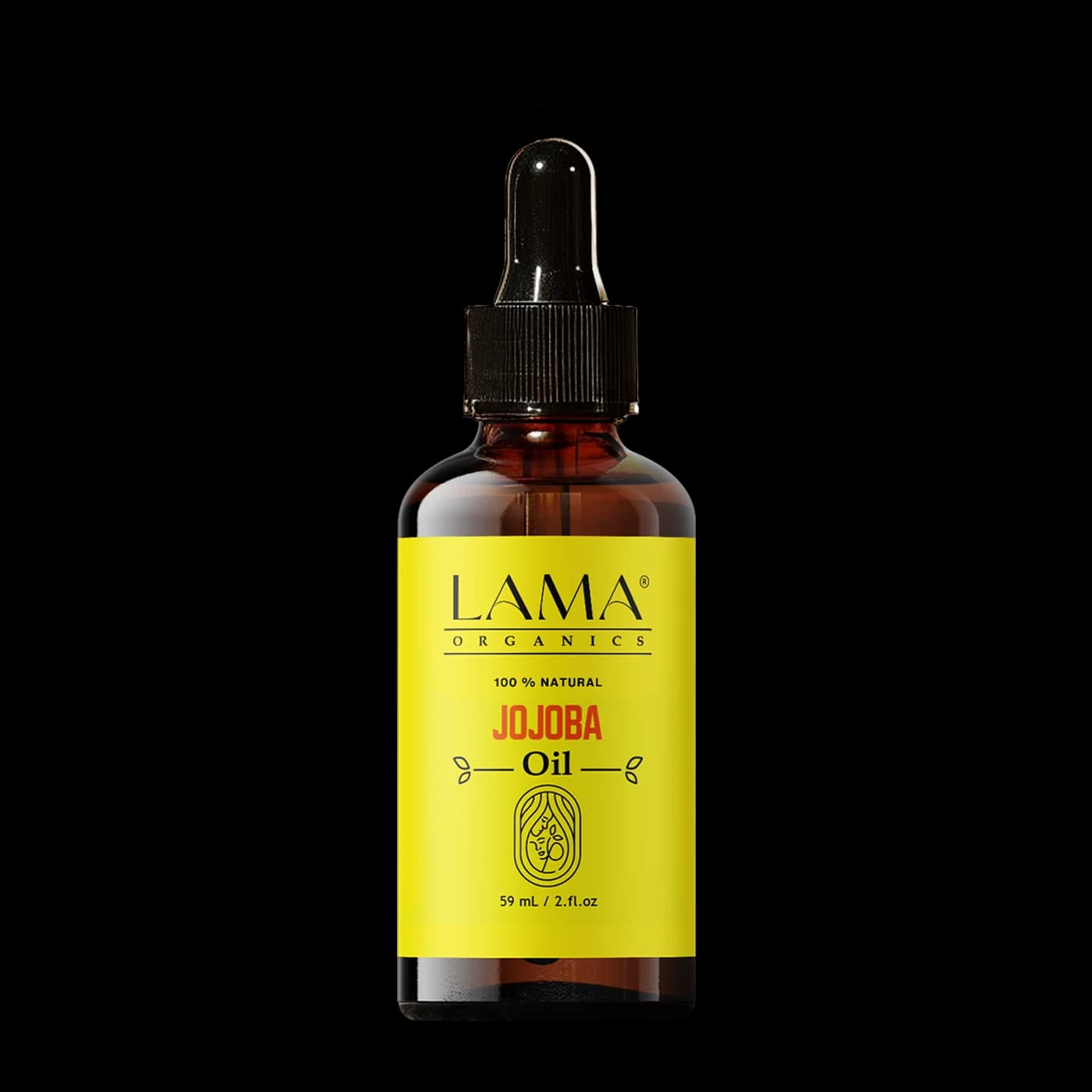
- emollients, which soften the skin's surface (jojoba oil is one of them);
- humectants, which draw in water, such as glycerin.
A review also notes that several oils, including jojoba and avocado, stay mainly on the surface of the skin rather than penetrating deeply (full text).
Oil rankings: take them with a pinch of salt
Online, you will find lists that score oils on how likely they are to clog pores. These scores come mostly from animal tests. A 2006 reassessment in a dermatology journal shows that an ingredient said to clog pores does not necessarily make the finished product a problem (PubMed abstract).
That is why we do not show any ranking of this kind on our products.
Another common belief: "natural" does not mean "good for your skin". In a forearm trial (19 adults, 4 to 5 weeks), olive oil damaged the skin barrier and caused mild redness, while sunflower oil preserved it (PubMed abstract). Not all oils are equal, and an oil should not be judged on its image.
If you still want to try
We do not present any of our oils as suited to oily skin. If you still want to try one, limit the risks:
- Do a patch test before first use.
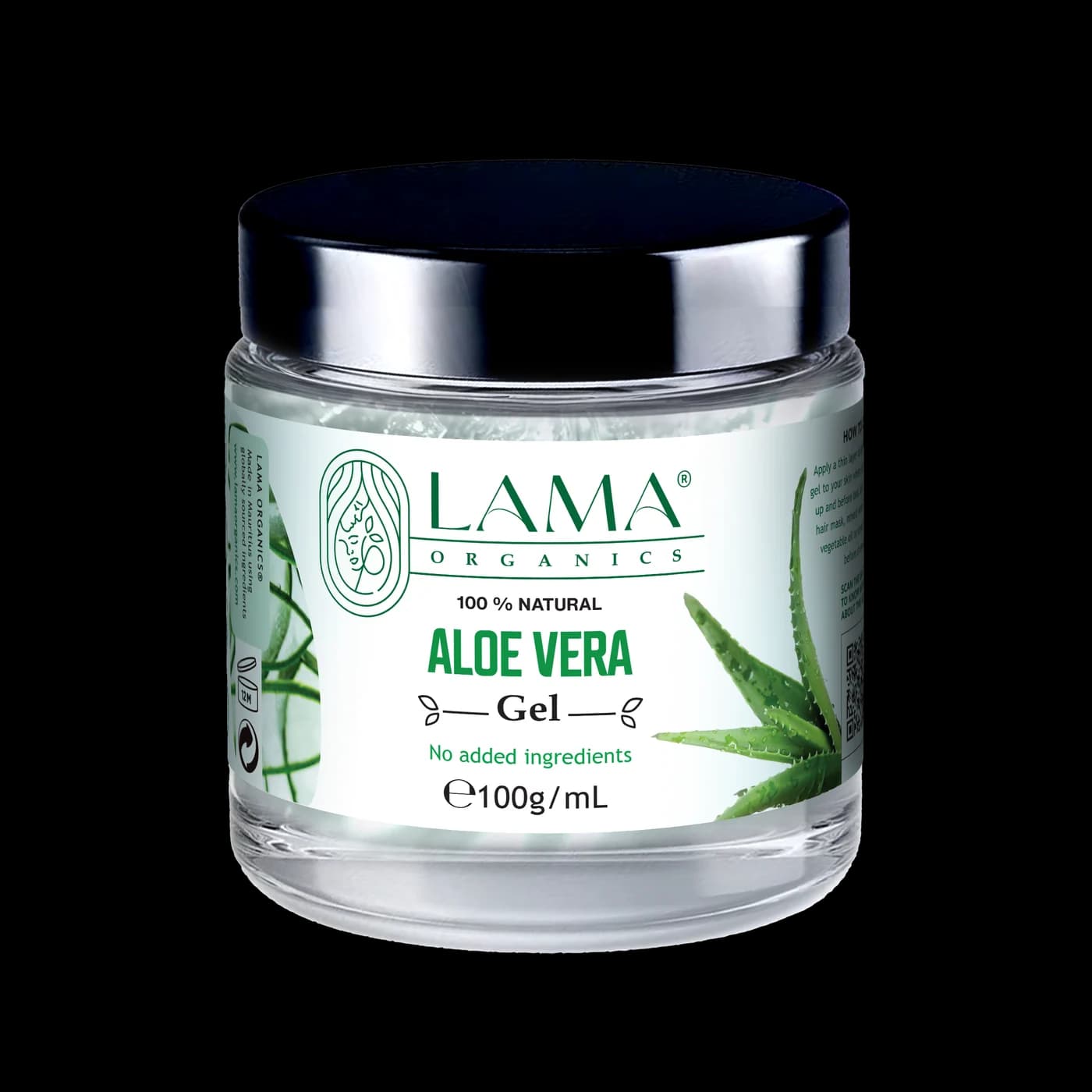
- Start with a light texture, such as aloe vera gel on its own.
- Combination skin: 1 to 2 drops of oil on the dry areas only, never on the T-zone.
- A small amount, in the evening, and watch how your skin responds.
- Stop if breakouts increase or your skin becomes irritated.
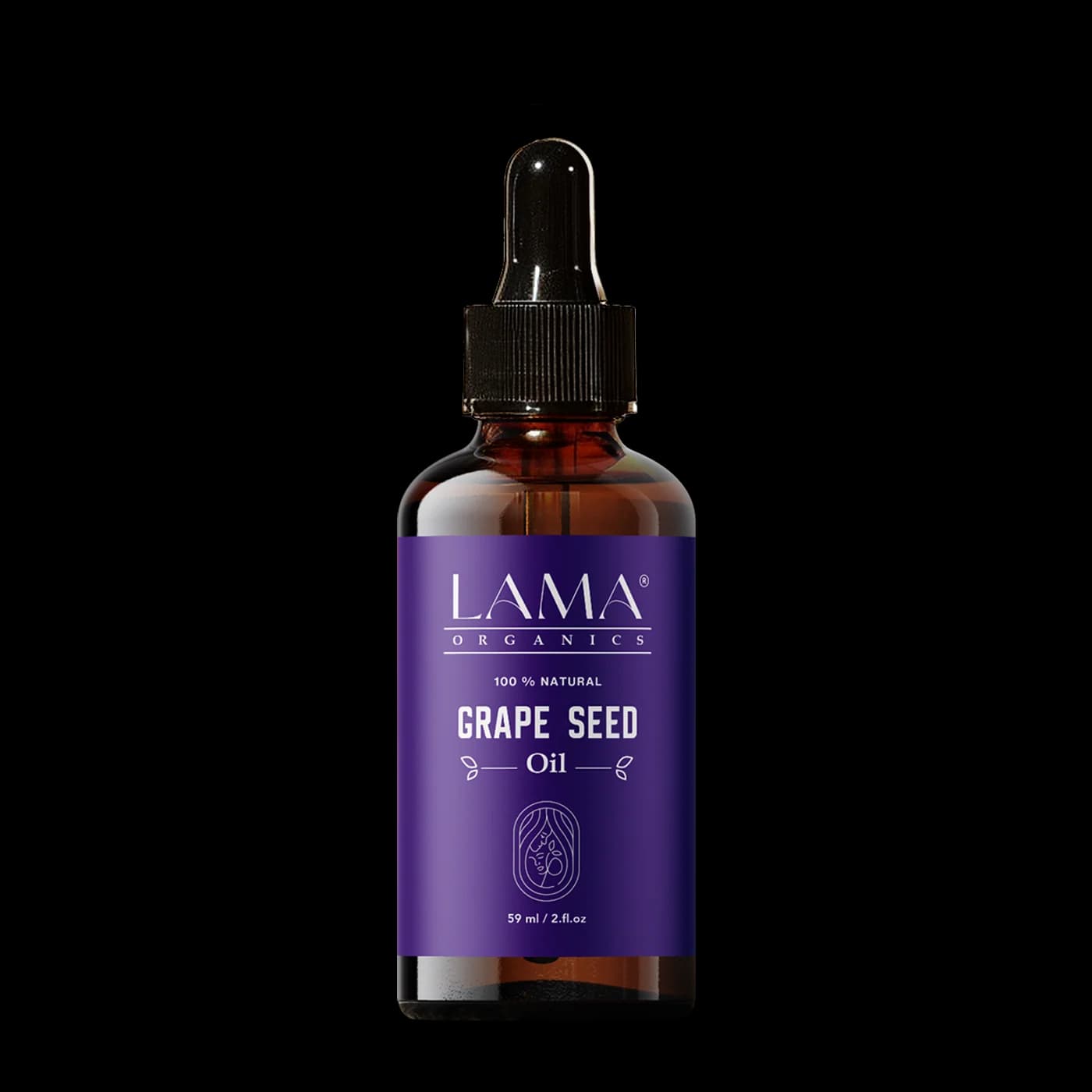
In terms of texture, jojoba oil and grape seed oil are light and often chosen for combination skin (common practice). This is not a promise about breakouts.
When to see a dermatologist
If breakouts are frequent, painful or leave marks, talk to a dermatologist. An oil, however light, is no substitute for medical advice.