Guides
Patch test: how to try a new product on your skin
Before using a new oil, butter or gel, try it on a small patch of skin. Here is the method dermatologists recommend, why it matters and when to stop.
3 min read ·

A product can suit thousands of people and still irritate your skin. A patch test tells you on a small area, before you apply it everywhere.
Why test, even a natural product
"Natural" does not mean "non-irritating": a dermatologist quoted by the American Academy of Dermatology (AAD) makes exactly this point (AAD advice). Reactions are rare, but they happen with very common ingredients:
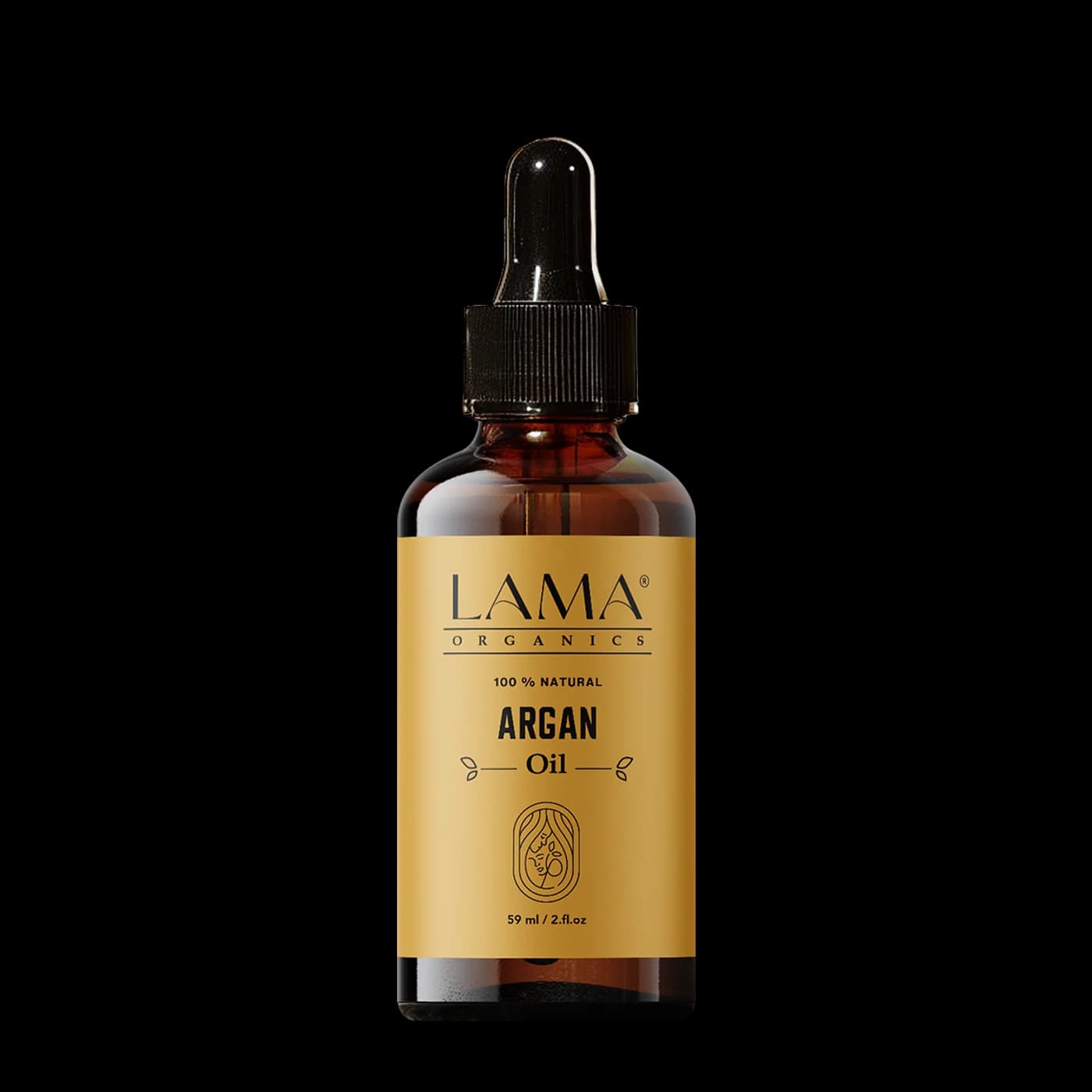
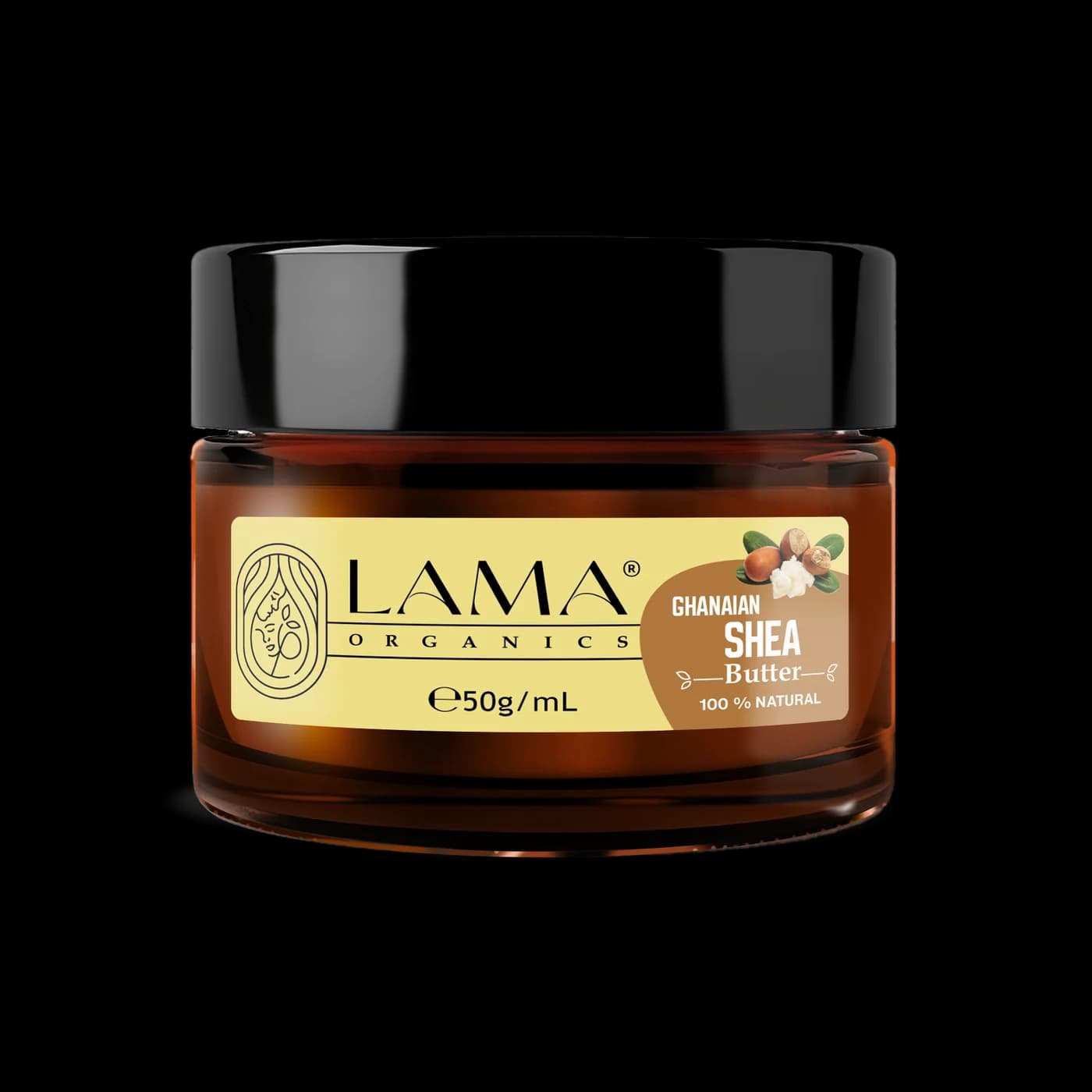
- Oils and butters: cases of contact allergy have been published for argan oil (and, very rarely, severe allergic reactions), jojoba, avocado oil, castor oil and shea butter.
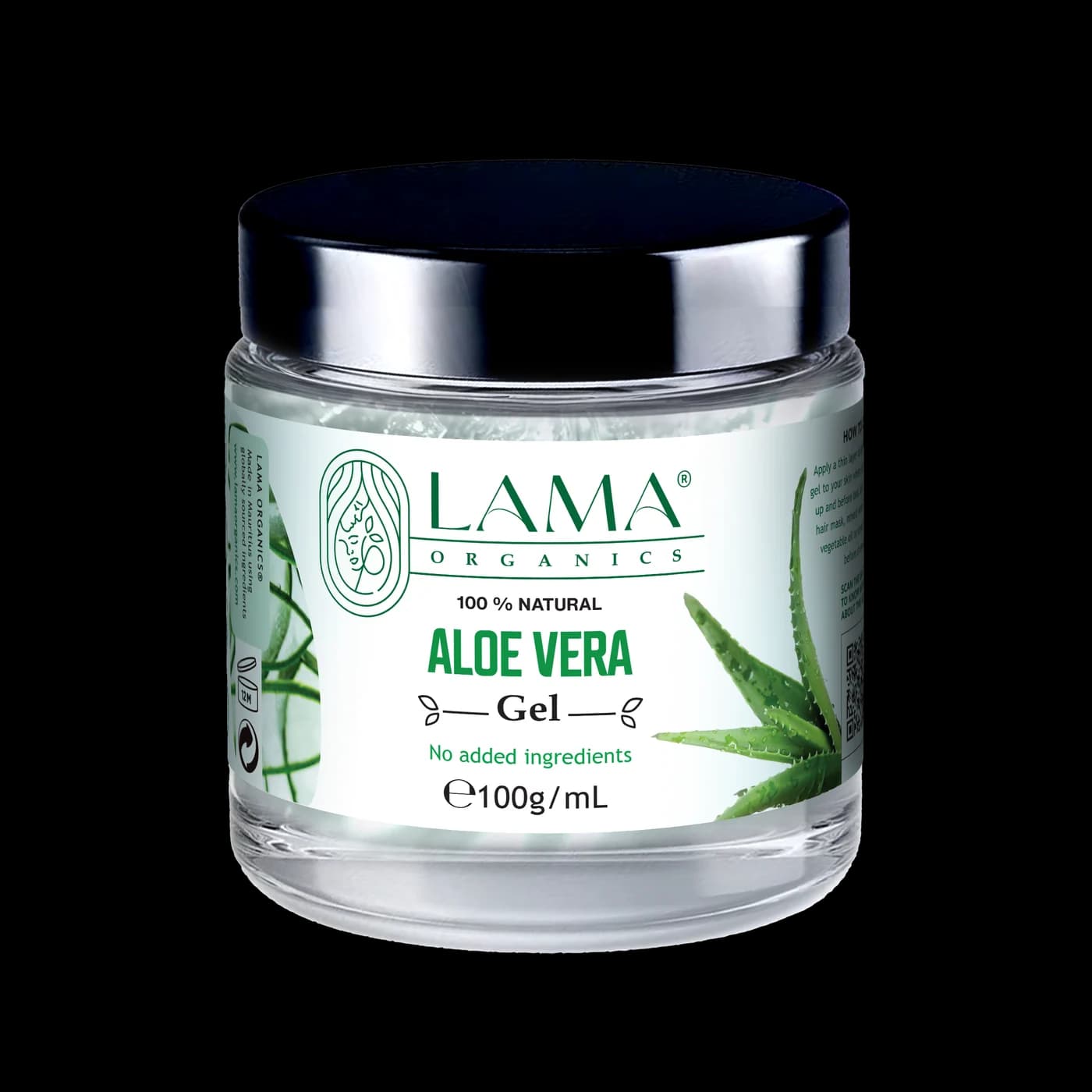
- Aloe gel: occasional cases of burning, itching or eczema are reported.
- Aromatic oils: lavender, peppermint, eucalyptus, geranium and lemongrass essential oils are established allergens in humans, according to the EU Scientific Committee on Consumer Safety (SCCS opinion). Some of their compounds become more allergenic as they oxidise.
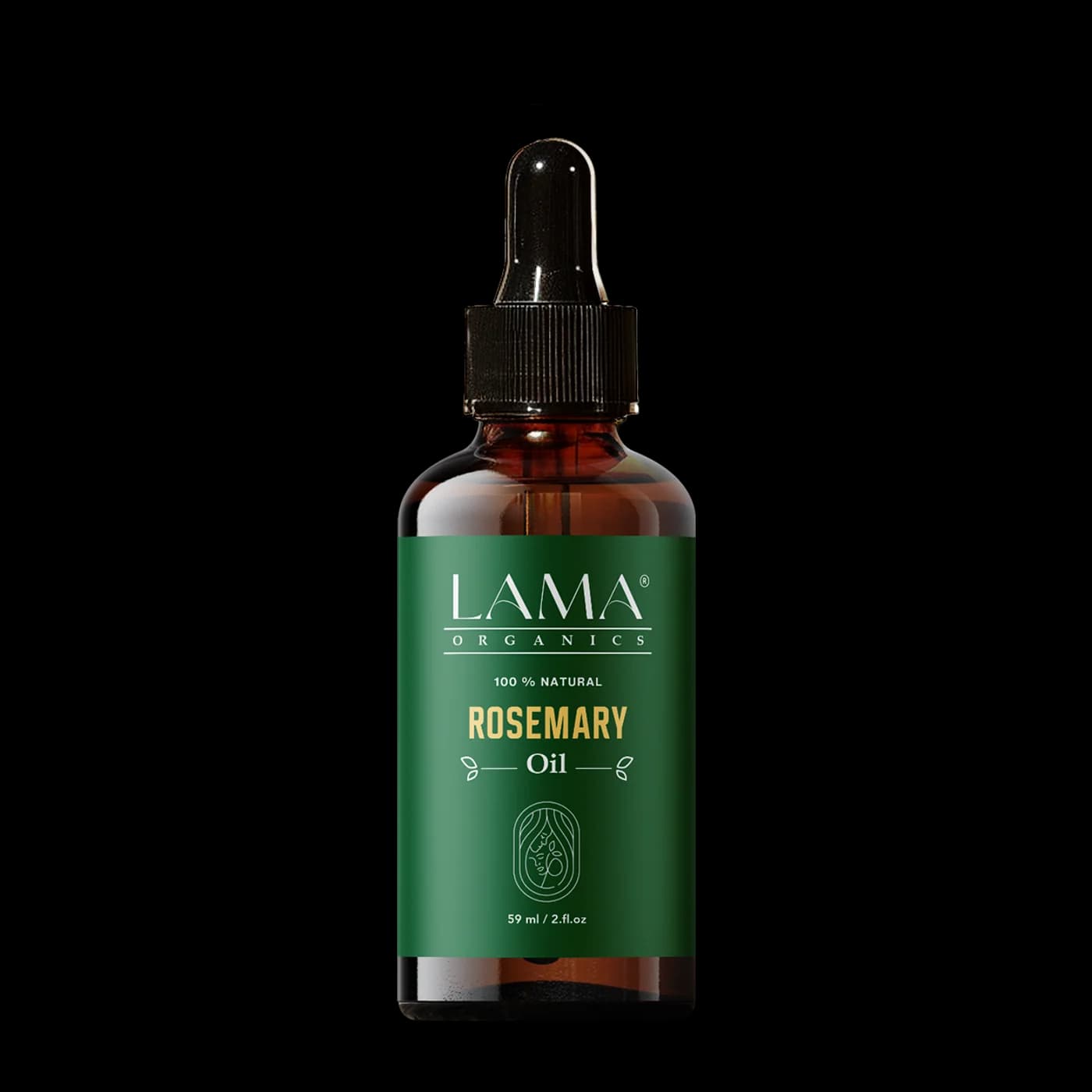
Our lavender, rosemary, geranium, tea tree and eucalyptus oils contain a small amount of added essential oil: for these, a patch test is essential.
The method, step by step
This is the method recommended by the AAD (how to test skin care products).
Step by step
Patch test in the crook of the elbow
- Duration
- 7 to 10 days
- How often
- Twice a day
You will need
- The product to test, exactly as you will use it (the blend, if you mix)
- An area of healthy skin: crook of the elbow or inner arm
Steps
- Apply a small amount to a coin-sized area.
- Repeat twice a day, in the same spot.
- Keep going for 7 to 10 days.
- If you notice redness, itching or swelling: wash the area and stop using the product.
A shorter 48-hour test is often suggested. The AAD method goes further: two applications a day for 7 to 10 days.
When to stop
- During the test: at the first sign of redness, itching or swelling, wash the area and do not use the product.
- Later on: a reaction can appear after several uses. If a product irritates you with regular use, stop too.
- Strong or spreading reaction: seek medical advice promptly.
Keep a note of the product's name and the date of the reaction: it will help if you need to see a doctor.
Good habits
- One new product at a time. If a reaction appears, you will know which one caused it.
- One aromatic oil per blend. Allergenic compounds add up.
- Never on broken or irritated skin, for the test or afterwards.
- Scalp: test the product, or your blend, in the crook of your elbow before applying it to your head.
- History of eczema: take extra care. The rare reactions to jojoba have been described notably in people with a history of eczema.
- Children: a case of contact allergy to argan oil has been published in an infant. Ask for advice before trying a new product on a child.
- Known allergy: shea comes from a nut, and avocado is often involved in latex cross-allergy. If you are allergic to tree nuts, latex or avocado, ask your doctor before trying.
- Storage: a product whose smell, colour or texture has changed should not be used.
What the test does not tell you
A successful test does not make a product suitable for every use. Our peppermint, eucalyptus and tea tree oils are never applied to the face or lips, and are not for children. If you are pregnant or breastfeeding, ask a health professional before using an aromatic oil. Always read each product's precautions.