Guides
Rosemary oil: what the studies say, how to use it, precautions
Rosemary oil is all over social media. Here is what the most quoted study really shows, what is in our oil, how to use it and the precautions to know.
3 min read ·

Rosemary oil has become a social media favourite, often with promises no study supports. Here is what to know before you open the bottle.
Two products, one name
"Rosemary oil" covers very different products:
- Essential oil, obtained by steam distillation of the plant's aerial parts. This is the form described in the European Pharmacopoeia (EMA report). Highly concentrated.
- Infused oil, or macerate: a plant oil in which the herb has been steeped. A 2024 study shows it contains the same main aromatic compounds as the essential oil, in small amounts (full text).
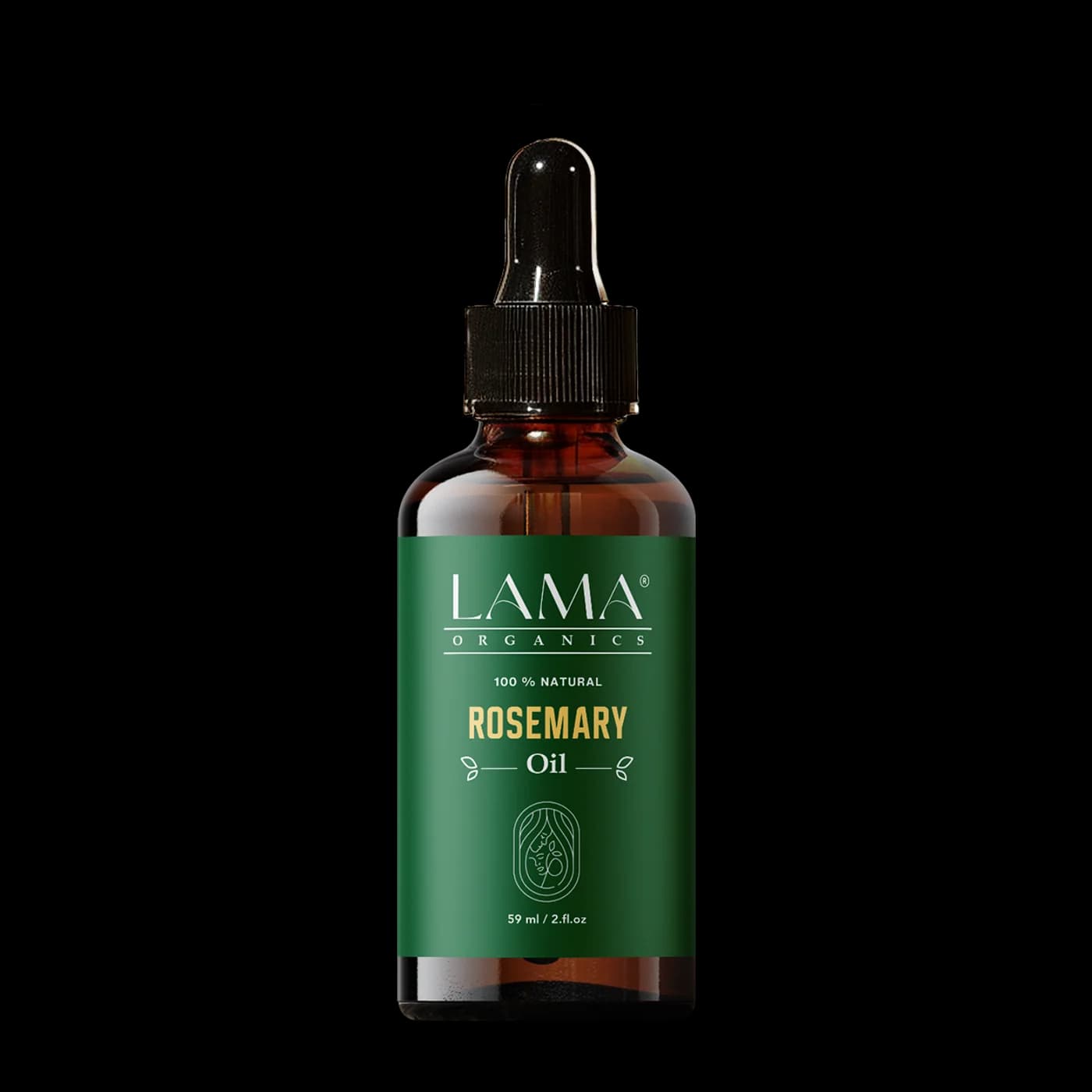
Our rosemary oil is not an essential oil. It is rosemary oil with a small amount of added rosemary essential oil.
What the most quoted study shows
Published in 2015, it compared a "rosemary oil" with 2% minoxidil in 100 men aged 18 to 49 with androgenetic alopecia, over 6 months (PubMed abstract):
- at 3 months, no significant change in either group;
- at 6 months, hair counts had risen in both groups, with no difference between them;
- scalp itching was more frequent with minoxidil.
Its limits matter (2024 review). There was no placebo group, so we cannot know whether rosemary did better than nothing. The study was single-blind. The product is poorly described: the abstract only says "rosemary oil", and a 2025 review refers to an essential oil applied twice a day (full text). The EMA mentions the trial but does not rely on it.
What this means for you: the result does not carry over to our oil, or to most oils sold under this name. We make no promise about hair growth. To go further, read oils and hair growth.
What tradition says
According to the EMA, rosemary is traditionally used in hair lotions. That is folk use, not proof. It is mostly enjoyed for its herbal scent and the massage ritual it goes with.
How to use our rosemary oil
According to the brand, it is used as it is, with no need to dilute it. Keep it for the scalp and body, not the face.
Step by step
Rosemary scalp massage
- Duration
- 30 minutes to overnight
- How often
- Once or twice a week
You will need
- A few drops of rosemary oil
- Optional: 1 tbsp jojoba oil, to spread it over a larger scalp
Steps
- Do a patch test in the crook of your elbow first.
- On dry hair, apply a few drops to the scalp, section by section.
- Massage for 2 to 3 minutes with your fingertips, without scratching with your nails.
- Leave on for 30 minutes to overnight, then shampoo.
Another option: 1 to 2 drops in your usual amount of conditioner, at the time of use (never in the bottle), then rinse.
For your lengths, choose argan oil or jojoba oil instead: no benefit of rosemary on the lengths has been documented.
Precautions
Rosemary essential oil contains fragrance allergens such as limonene and pinene. The EMA lists contact dermatitis and asthma among its possible side effects (EMA monograph).
- One aromatic oil at a time: do not mix it with peppermint, tea tree or eucalyptus oil, as allergenic compounds add up.
- Storage: keep the bottle tightly closed, away from light and heat. Oxidised limonene is more allergenic: stop using an oil whose smell has changed.