Guides
Oils and hair growth: what the science really says
For the most talked-about oils, studies show no proven effect on hair growth. Here is what they actually say, and what an oil can realistically do for your lengths.
3 min read ·

It is the question we are asked most often. The honest answer: for the most talked-about oils, studies show no proven effect on hair growth. Here is what they actually say, and what an oil can do for you.
What the studies say
Castor and argan
A 2022 systematic review looked at 22 papers on coconut, castor and argan oil in people with skin of colour (PubMed abstract). For argan: no significant evidence for growth or for hair quality. For castor: weaker evidence, and it concerns shine. The authors note that many dermatologists advise keeping oils mainly because they have no foreseeable side effects, rather than because they work.
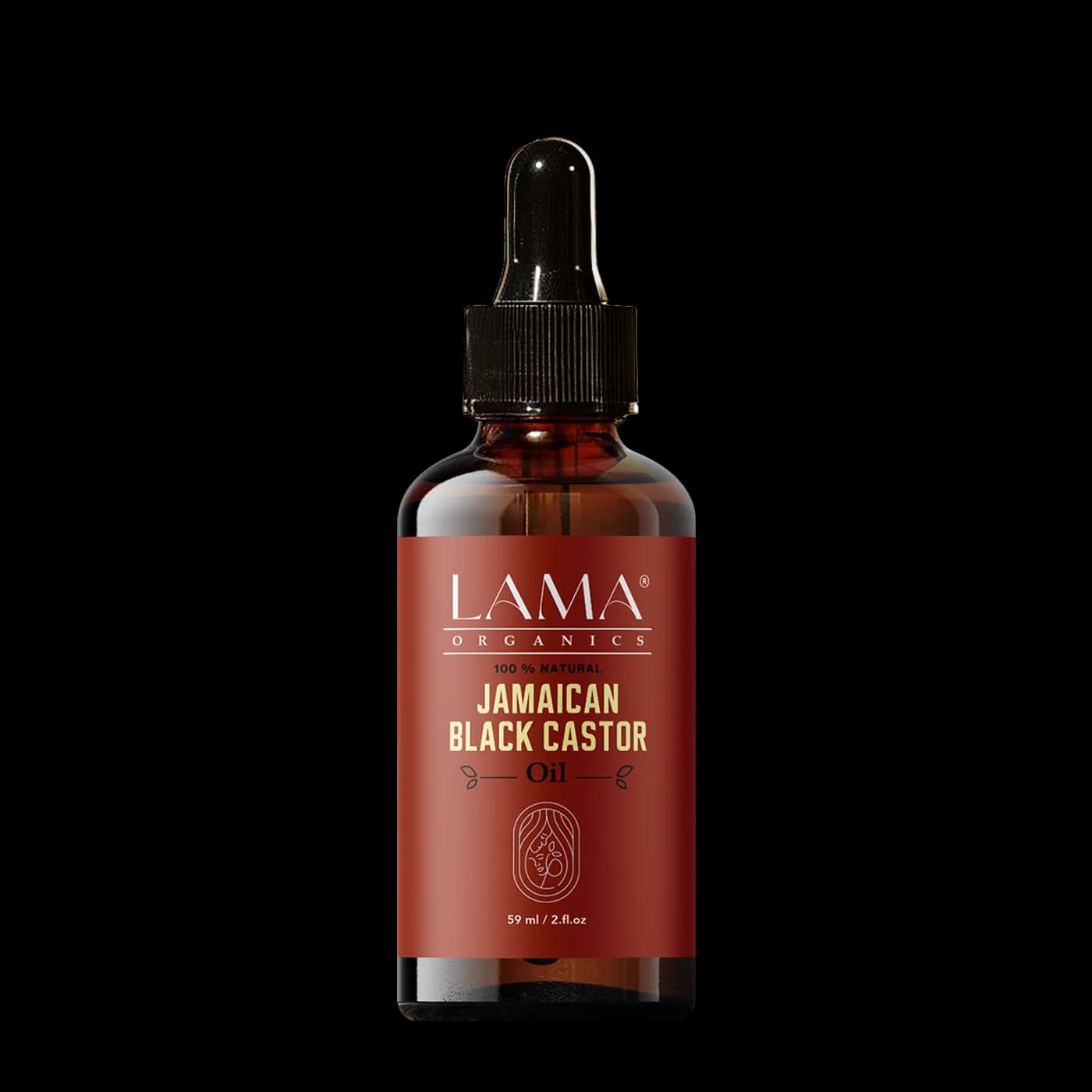
For black castor oil, another systematic review (2020) found no clinical evidence in alopecia, meaning hair loss (full text).
Rosemary
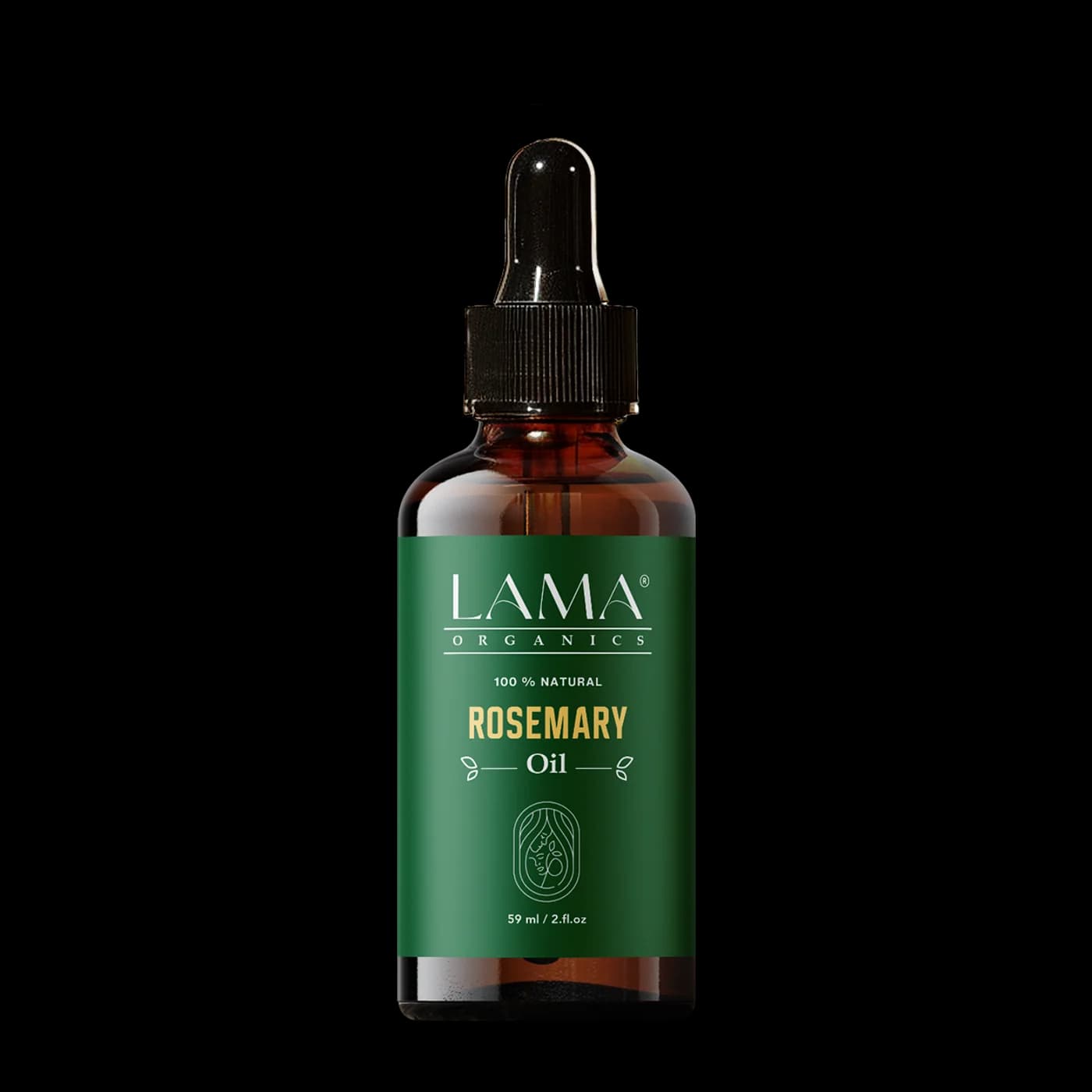
The most shared study compared a "rosemary oil" with 2% minoxidil in 100 people with androgenetic alopecia, over 6 months (PubMed abstract). At 3 months, no significant change. At 6 months, hair counts had risen in both groups, with no difference between them. There was no placebo group, so there is no way to know whether rosemary did better than nothing. A 2025 review describes the product tested as an essential oil, applied twice a day. The result therefore does not carry over to a rosemary oil like ours. Our rosemary oil guide covers it in detail.
Peppermint
The study usually quoted was carried out on mice, with a 3% essential oil in jojoba (full text). A result in animals does not tell you what will happen on your head.
Scalp massage
A Japanese study followed 9 men massaged for 4 minutes a day for 24 weeks, with a device and no oil (full text). Hair thickness rose compared with the start, but there was no difference from the unmassaged area used as a control. A larger 2019 survey relies on self-reported impressions, with no control group (full text).
An Indian review sums it up: research on hair oils is limited, many claims are exaggerated, and the main job of a hair oil is to soften (full text).
What an oil can do for your lengths
These findings come from laboratory work on hair swatches, often with oils other than ours. We quote them to explain, not to promise.
- Easier detangling. On swatches, oils reduced the force needed to comb wet hair and increased shine. Friction and knots are a major cause of breakage.
- Protecting the ends. The same oils reduced the formation of split ends. An end that has already split cannot be glued back: only a trim removes it.
- Slowing water uptake. A film of oil slows the rate at which the fibre absorbs moisture, without blocking it.
Habits that limit breakage
This is the advice of the American Academy of Dermatology (AAD):
- Shampoo your scalp and let the lather run through the lengths.
- Use conditioner every time you wash.
- Use a wide-tooth comb. Coily hair detangles more easily wet, straight to wavy hair more easily dry.
- Avoid tight hairstyles.
- Curly hair: a satin or silk bonnet or pillowcase at night.
- Warm oil, never hot: the AAD advises people with fragile hair who are losing hair to avoid hot-oil sessions.
A simple ritual, no promises
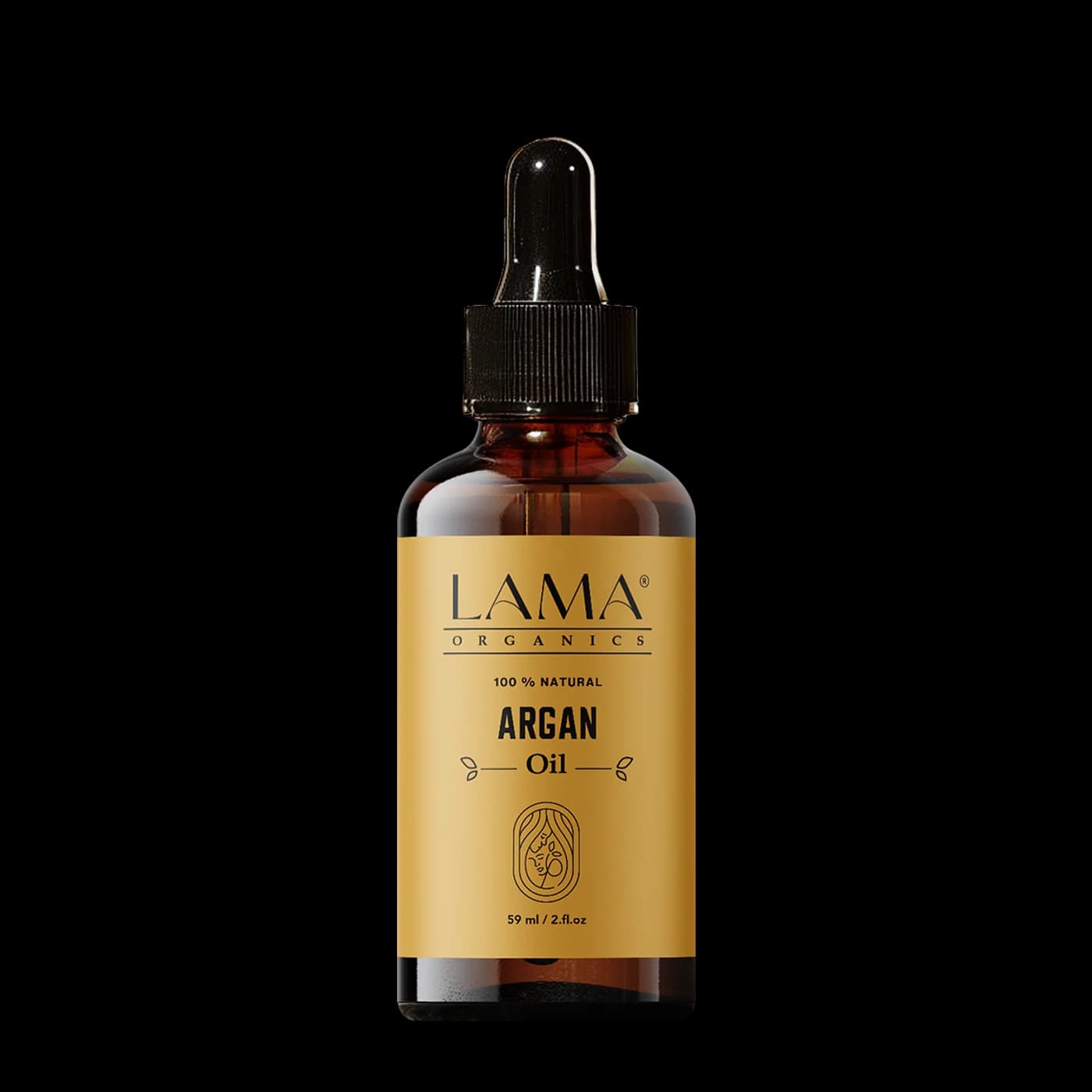
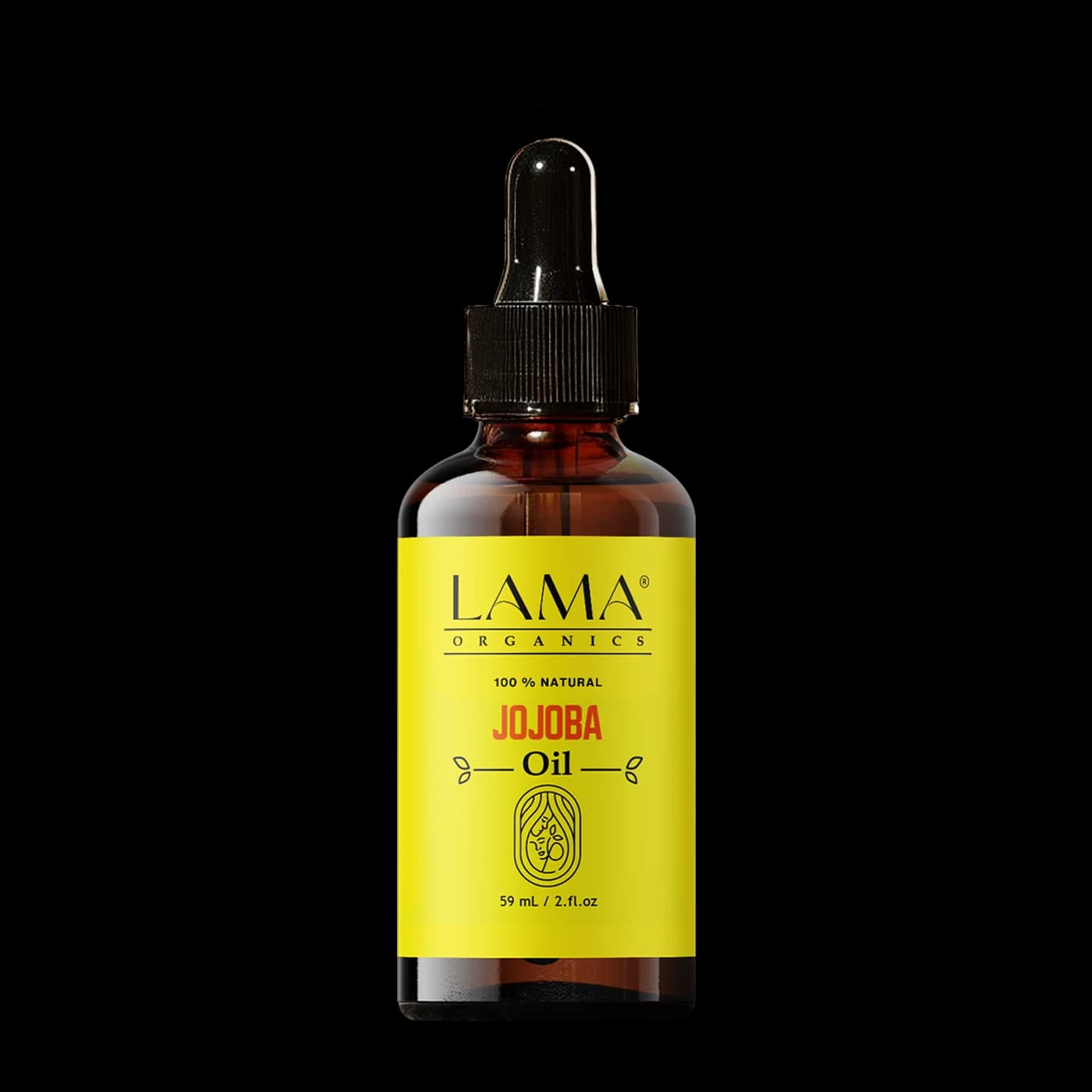
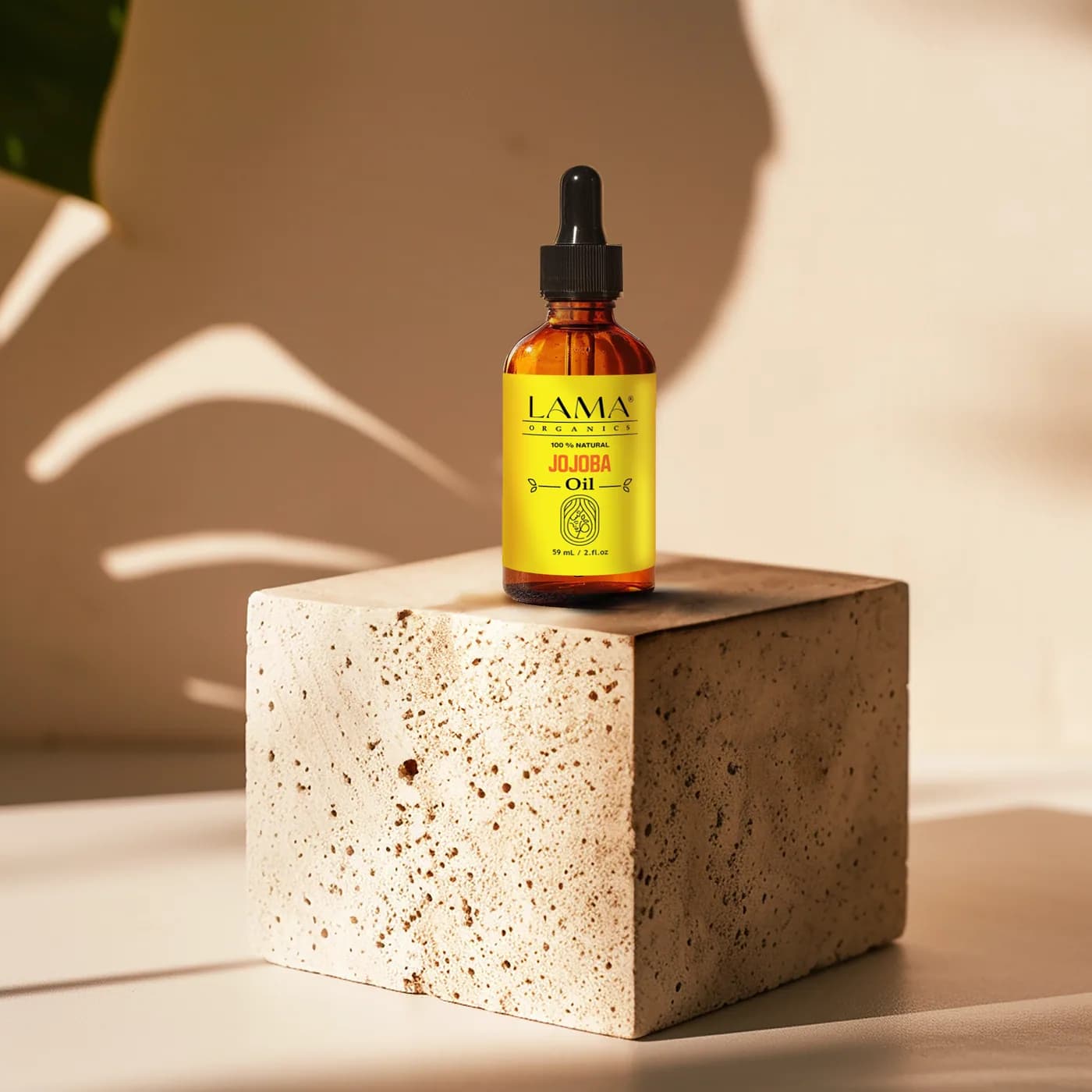
- Lengths: a few drops of argan or jojoba oil on the ends, while hair is still damp.
- Scalp: a few minutes of massage before shampooing, for the pleasure of it. A light oil helps your fingers glide.
- Thick or coily hair: black castor oil is very thick. Use a small amount, blended with jojoba, on detangled hair. Read our guide to black castor vs regular castor oil first.
When to see a doctor
If you are losing hair, the AAD recommends seeing a dermatologist. An oil is no substitute for medical advice. If your scalp itches or flakes, read our guide to an itchy, flaky scalp.