Guides
Jamaican black castor oil vs regular castor oil: the real differences
Same seed, two very different-looking oils. Here is what really sets them apart, what research does (and does not) say about hair, and how to use black castor oil without risking tangles.
3 min read ·

Both oils come from the same seed, yet they differ in colour and smell. Here is what really sets them apart, and what research does, or does not, say about hair.
Same seed, two processes
Both come from the seeds of the castor plant, Ricinus communis. In castor oil, ricinoleic acid makes up 87 to 90% of the fatty acids (CIR report). It is a very thick, viscous oil.
- Regular castor oil: the seeds are pressed, then the oil is clarified with heat. Solvent extraction is also used.
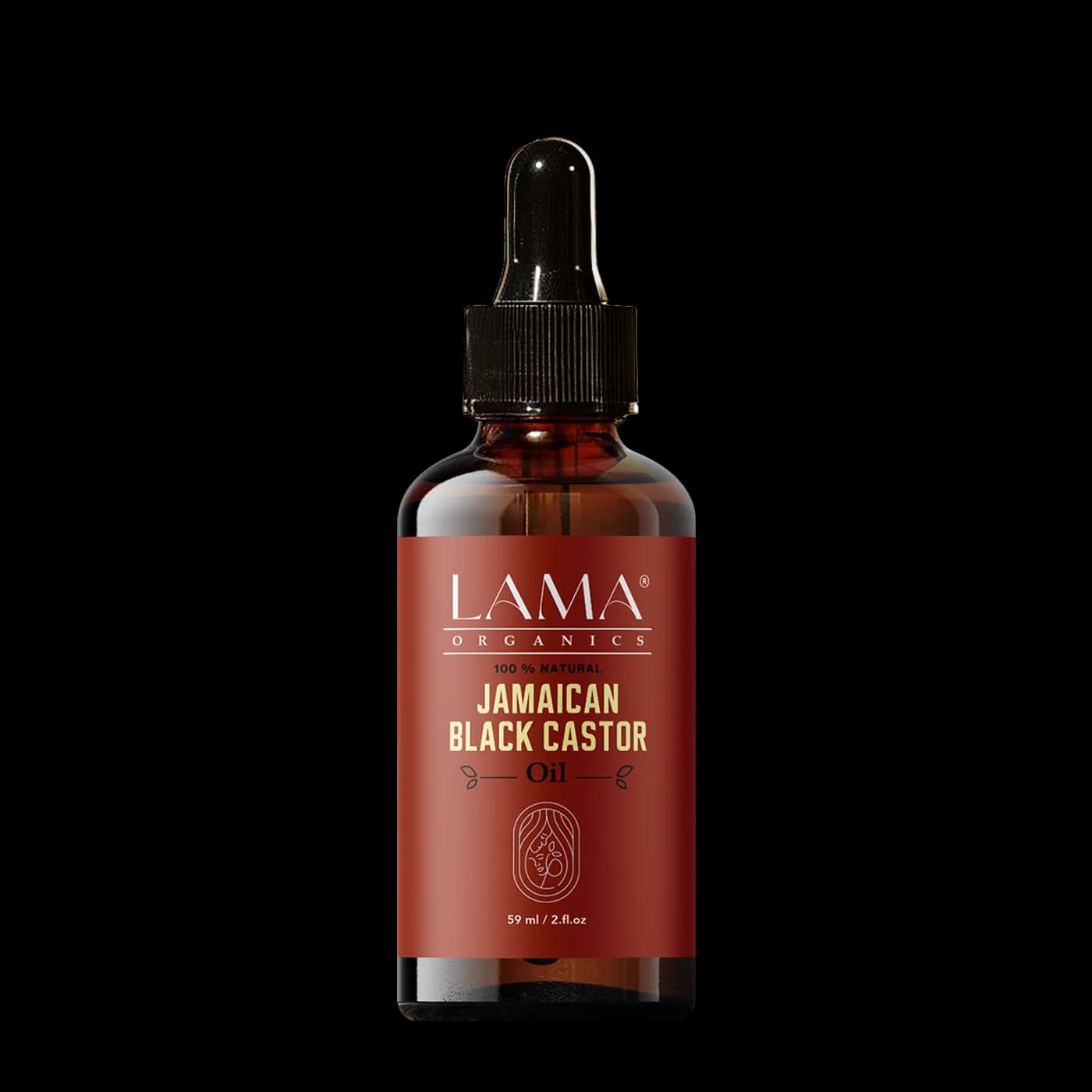
- Black castor oil, traditional Jamaican process: the seeds are roasted, ground, then boiled in water; the oil that rises to the surface is collected. Roasting gives the dark colour and the earthier smell.
Note: this description of the black process comes from a US patent (2019), meaning an applicant's statement that has not been peer reviewed. The same patent claims that ash from roasting makes the oil more alkaline: this has not been verified. No scientific study comparing the two oils has been found.
| Regular castor | Black castor | |
|---|---|---|
| Seeds | Pressed, or solvent extraction | Roasted, ground, then boiled |
| Colour | Yellow | Dark brown |
| Source of the description | CIR safety report | Patent, not peer reviewed |
| Proven effect on growth | None | None |
"Jamaican": what the name guarantees
- In 2023, the president of the Jamaica Castor Industry Association said that most products sold as Jamaican black castor oil are fakes (Jamaica Information Service).
- In 2024, the University of the West Indies presented draft standards to identify the Jamaican oil (UWI Mona).
So the name describes a type of oil, not a proven origin. That is true of ours too: we cannot show you a certificate of Jamaican origin at this stage.
What studies say about hair
- Shine: an instrumental measurement suggests more shine with castor oil; the data remain limited (2026 review).
- Growth: ricinoleic acid acts on an enzyme in the lab, but the same review considers its relevance in humans uncertain. A 2023 review notes that most studies were done in mice, and a 2020 systematic review found no clinical evidence for black castor oil in hair loss (full text). So no promise of growth is possible.
The hair felting case
A published case describes a 20-year-old woman with long hair, after a first application of coconut and castor oils. Within a day, her hair had matted into a hard mass "like a bird's nest"; it could not be undone and had to be cut (full text). The authors blame the high viscosity of castor oil on long hair. It is rare, but serious.
Our advice: a small amount, blended with a runnier oil, on hair that is already detangled, without rubbing the lengths together or piling hair on top of your head when washing.
How to use it
Step by step
Black castor and jojoba oil bath
- Duration
- 30 minutes to overnight
- How often
- Once or twice a week
You will need
- 1 part black castor oil
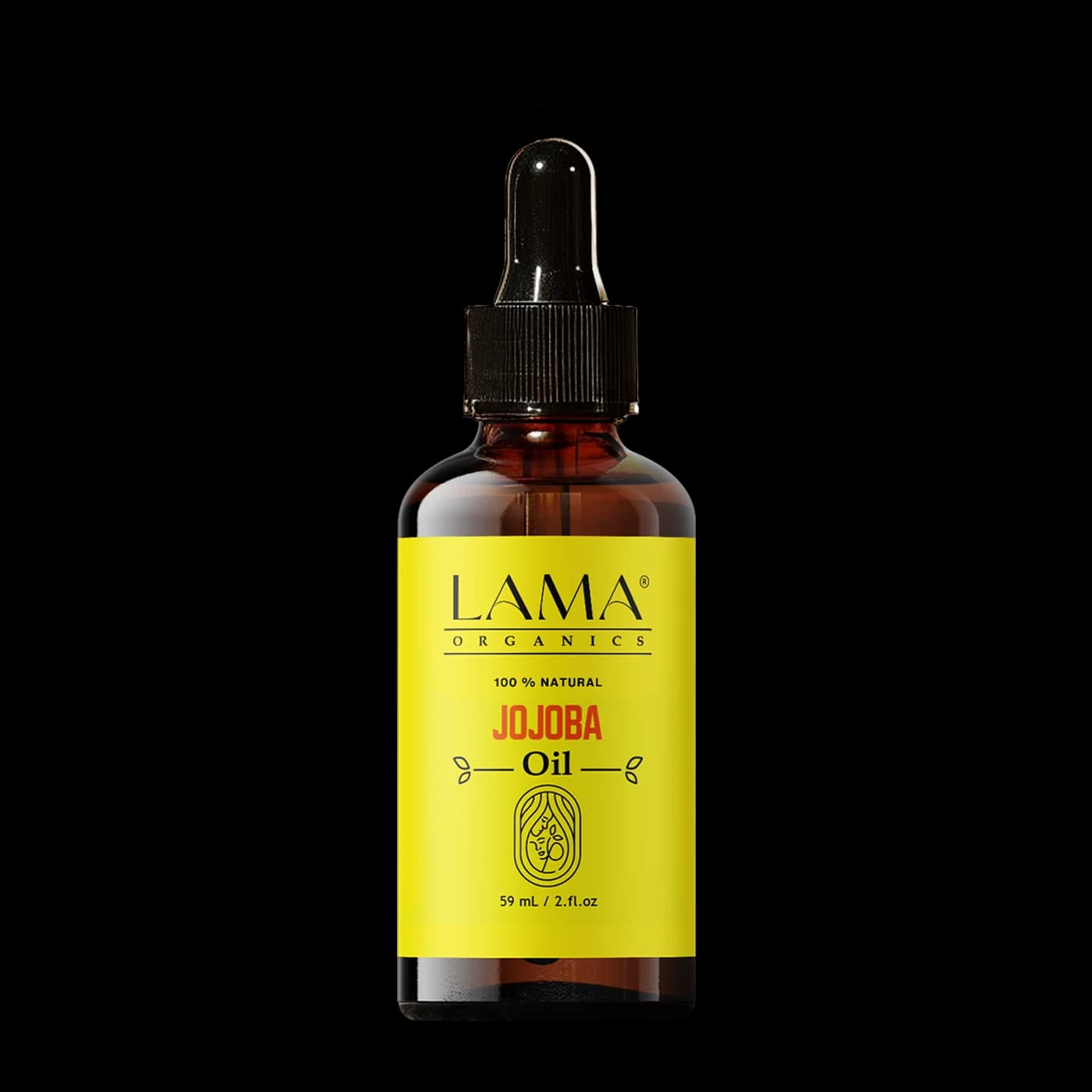
- 2 parts jojoba oil
Steps
- Detangle your hair before you start.
- Mix the oils in your palm.
- Massage your scalp with your fingertips, then smooth the rest over the lengths without rubbing.
- Leave on for 30 minutes to overnight, then shampoo.
- Dry ends: 1 drop warmed between your palms.
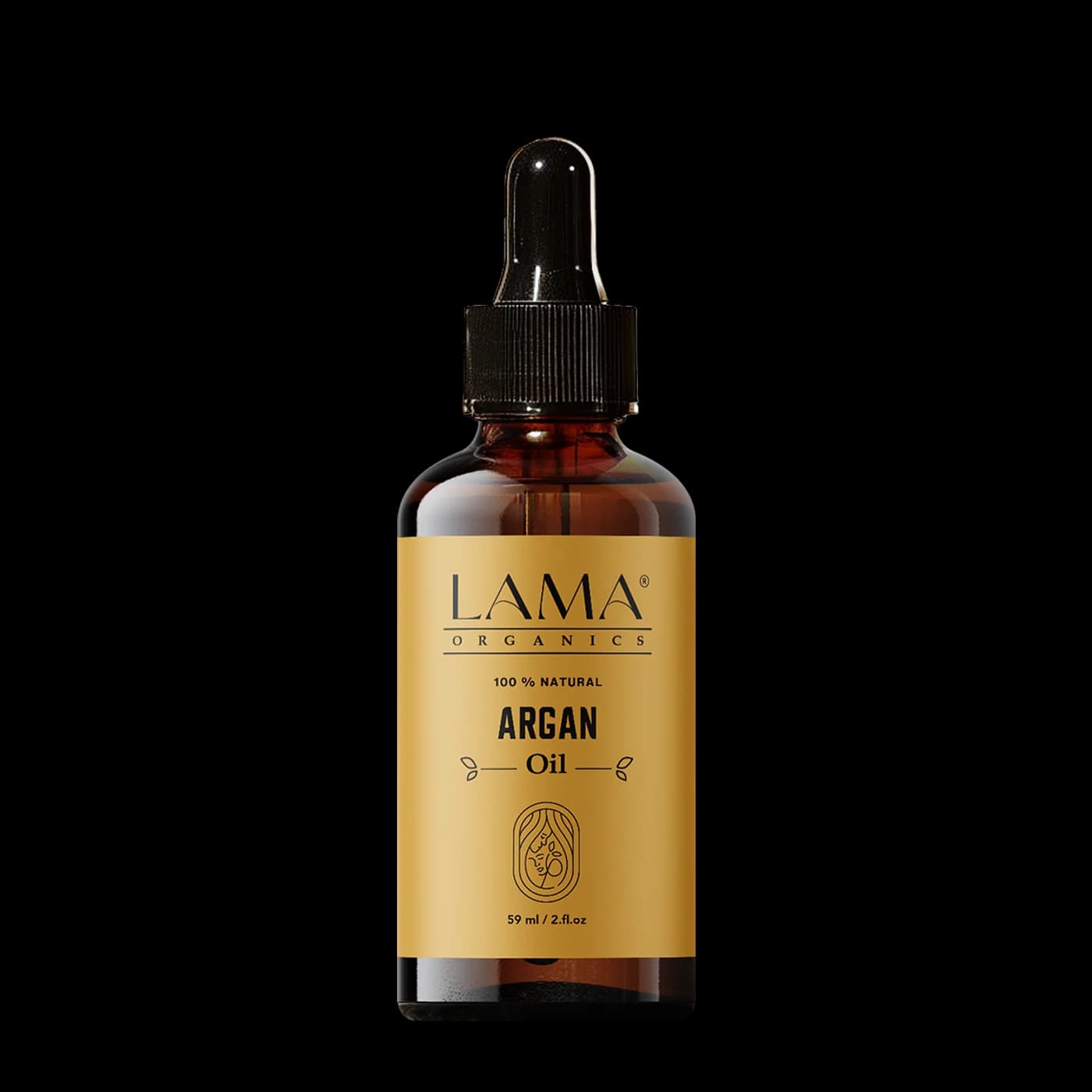
- Fine hair: castor oil weighs it down quickly. A drop of argan oil on the ends is an alternative (common practice).
- Brows: a trace with a clean spoolie, away from the eye.
Precautions
- Patch test: rare, usually mild contact allergies have been published. See our patch test guide.
- Eyes: avoid all contact, and do not apply it along the lash line.
- Do not swallow: for external use only; keep out of reach of children.
- Fabrics: a dark, thick oil, it can stain.