Guides
Coily hair: how to use the LOC (or LCO) method
Liquid, oil, cream: the LOC method is hugely popular for coily hair. It is common practice, not a scientifically validated method. Here is how to do it simply and adapt it to your hair.
3 min read ·

The LOC method is one of the most shared routines for coily hair. It is simple, but it is often credited with more than it can prove. Here is what it really is and how to do it.
LOC and LCO in two lines
- LOC: Liquid (water or a leave-in), then Oil, then Cream.
- LCO: Liquid, then Cream, then Oil.
The idea: give your hair water, then hold it in with oils and butters.
What is proven, and what is not
- No peer-reviewed study has been found on the LOC or LCO method. It is common practice.
- Indirect support: the American Academy of Dermatology (AAD) advises people with curly hair to apply a leave-in or an oil after conditioner to help retain moisture (AAD tips).
- The logic holds up: on very curly hair, sebum struggles to travel down the strand, which leaves the lengths dry (review). And in the lab, a film of oil slows the uptake of moisture into the fibre (PubMed abstract).
- Porosity, however, is not a proven guide. You will often read "LOC for high porosity, LCO for low porosity". This rule circulates on brand websites, with no scientific reference. And the glass of water test (does the hair float or sink?) has no published validation.
Step by step
Detangle before the cream: in the lab, butters make combing harder (PubMed abstract). Coily hair detangles more easily wet: work in sections, with a wide-tooth comb or your fingers.
Step by step
LOC with aloe, jojoba and shea
- How often
- After each wash, as needed
You will need
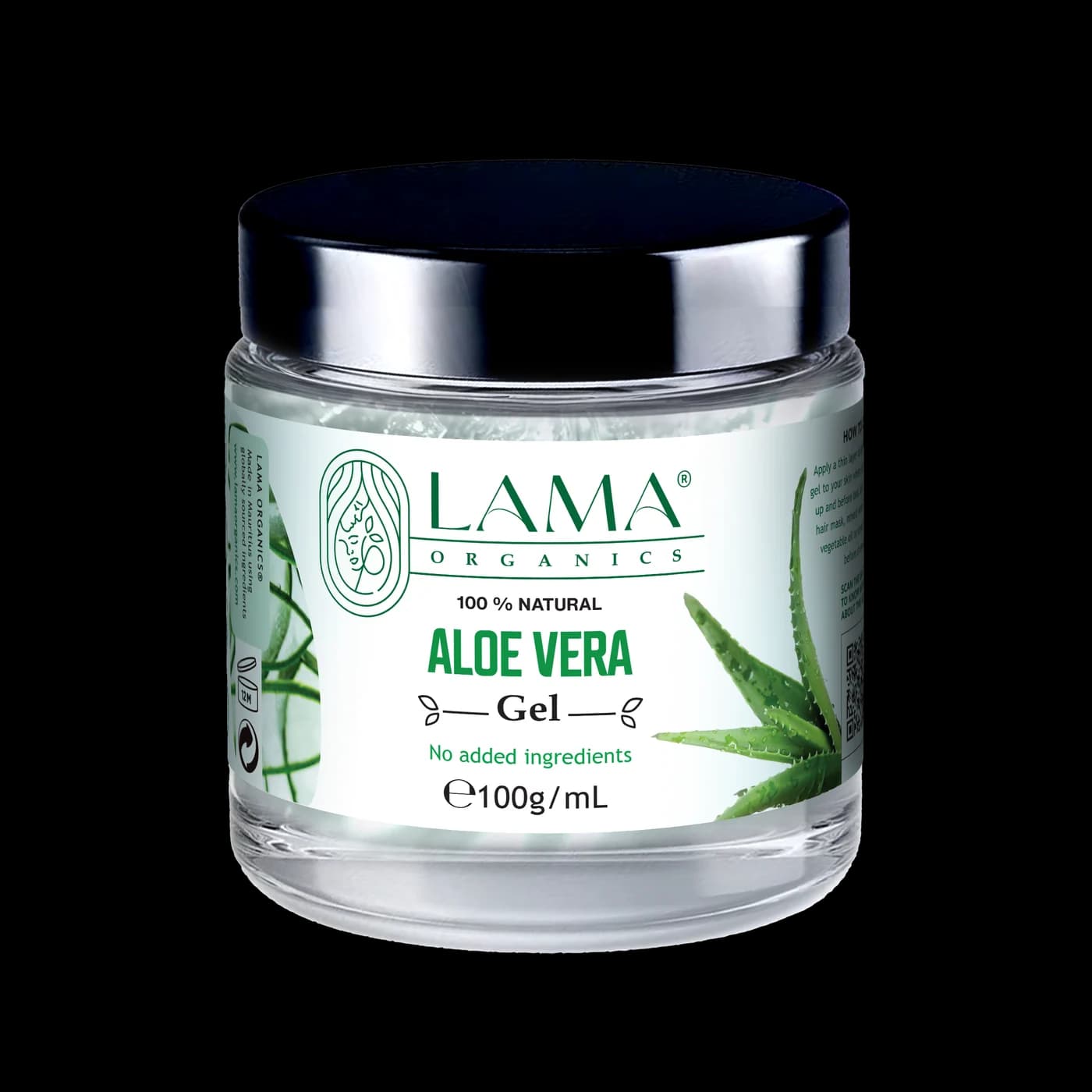
- L: water, a leave-in or a little aloe vera gel
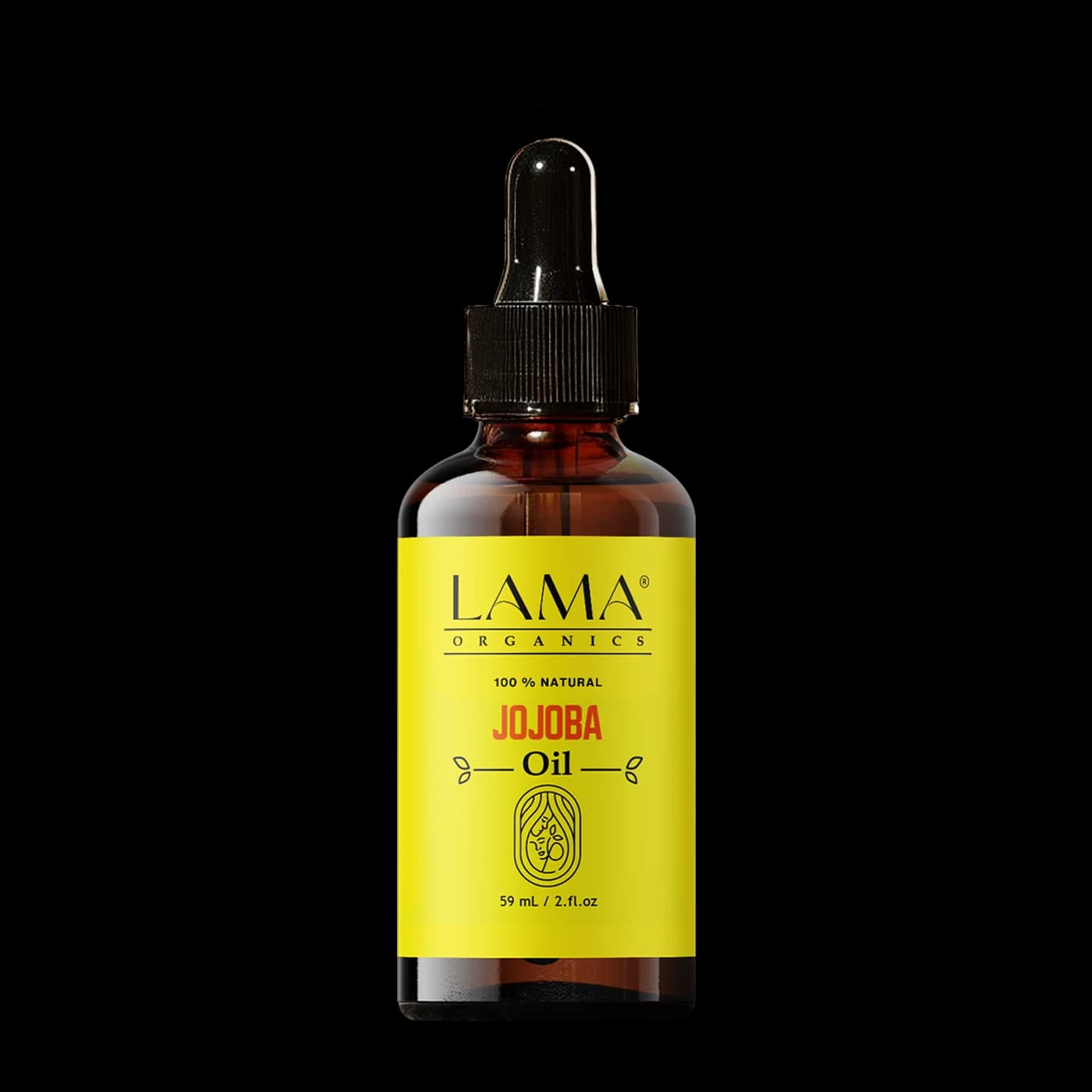
- O: a few drops of jojoba oil
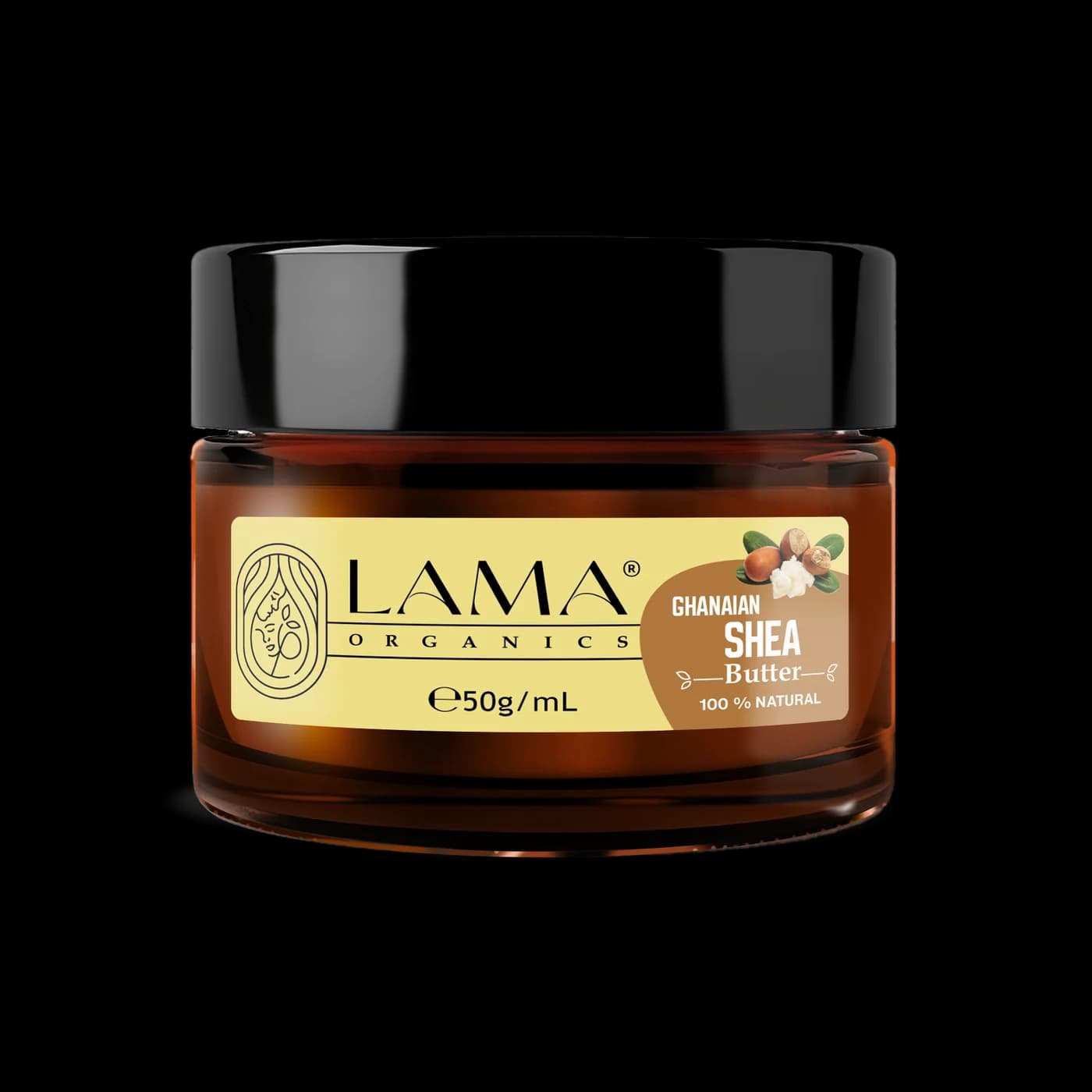
- C: a little shea butter, melted between your palms
Steps
- After conditioning, keep your hair damp and divide it into sections.
- Apply the liquid to each section.
- Spread a few drops of oil through the lengths.
- Detangle the section, then smooth a little butter over the lengths and ends.
- For LCO, swap the last two steps.
Which oil, which butter?
No study points to an "ideal" oil or butter for the LOC method. Here are common choices:
- O step, light oil: jojoba oil, a naturally stable liquid wax that blends well with other oils.
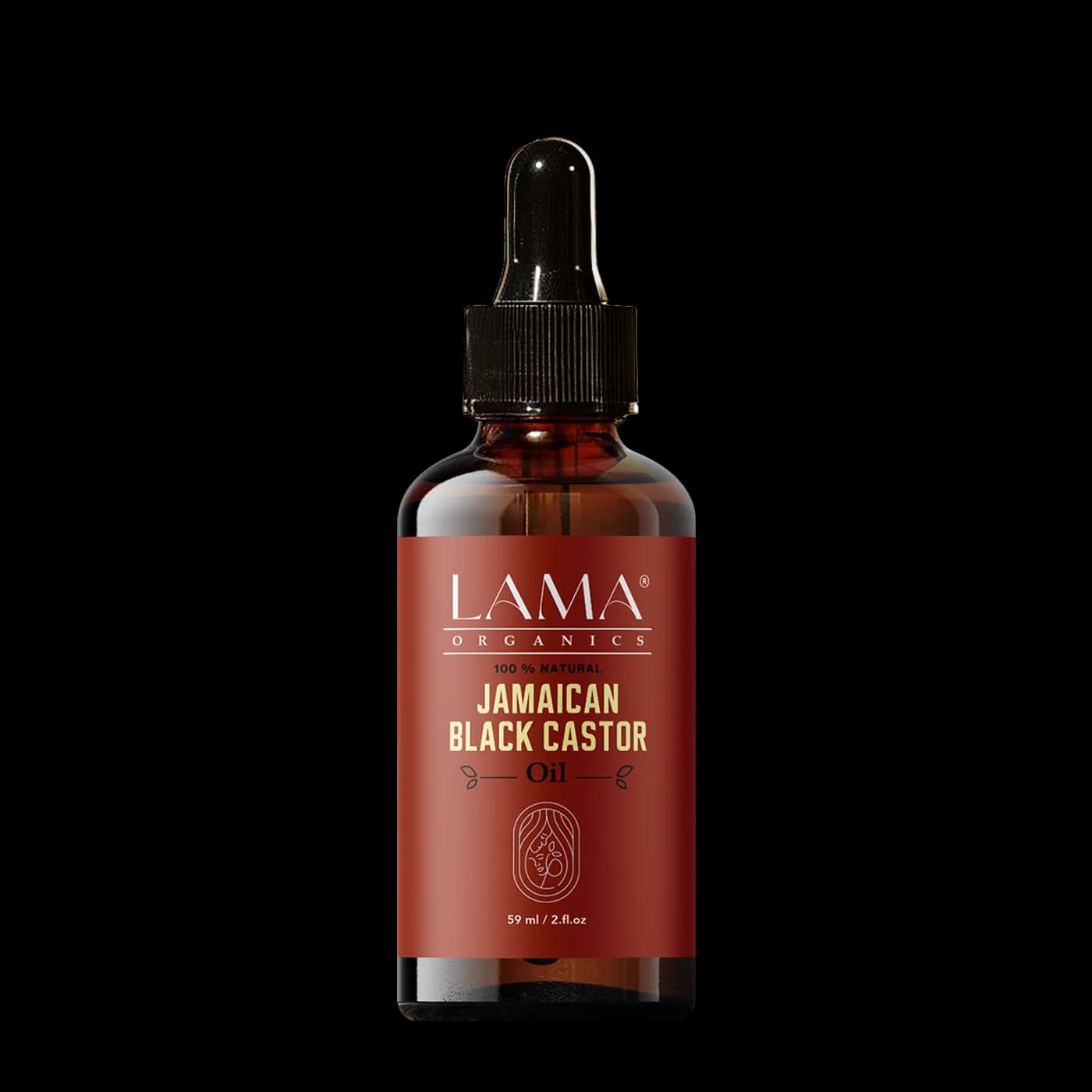
- O step, thick oil: black castor oil, always in small amounts and blended with jojoba.
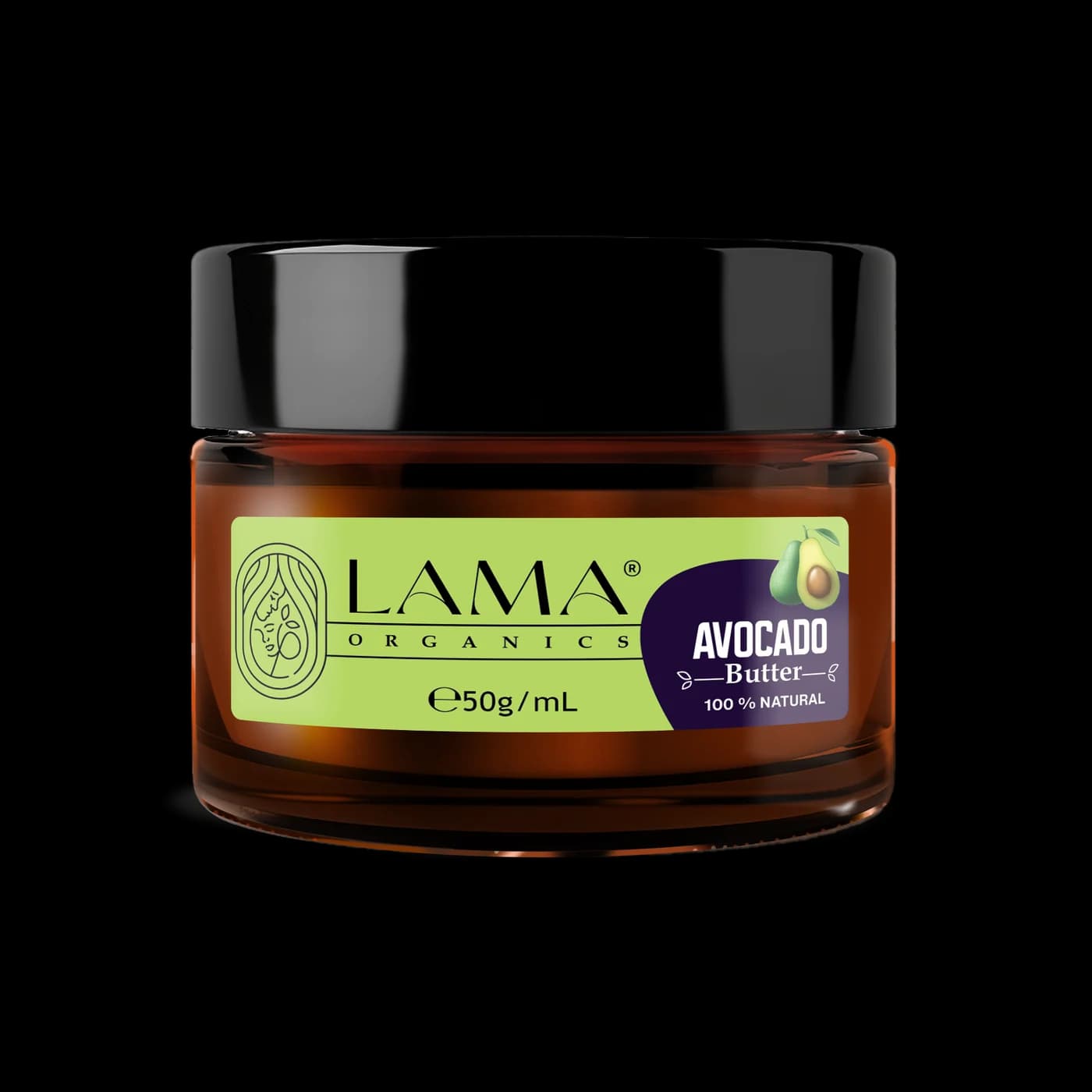
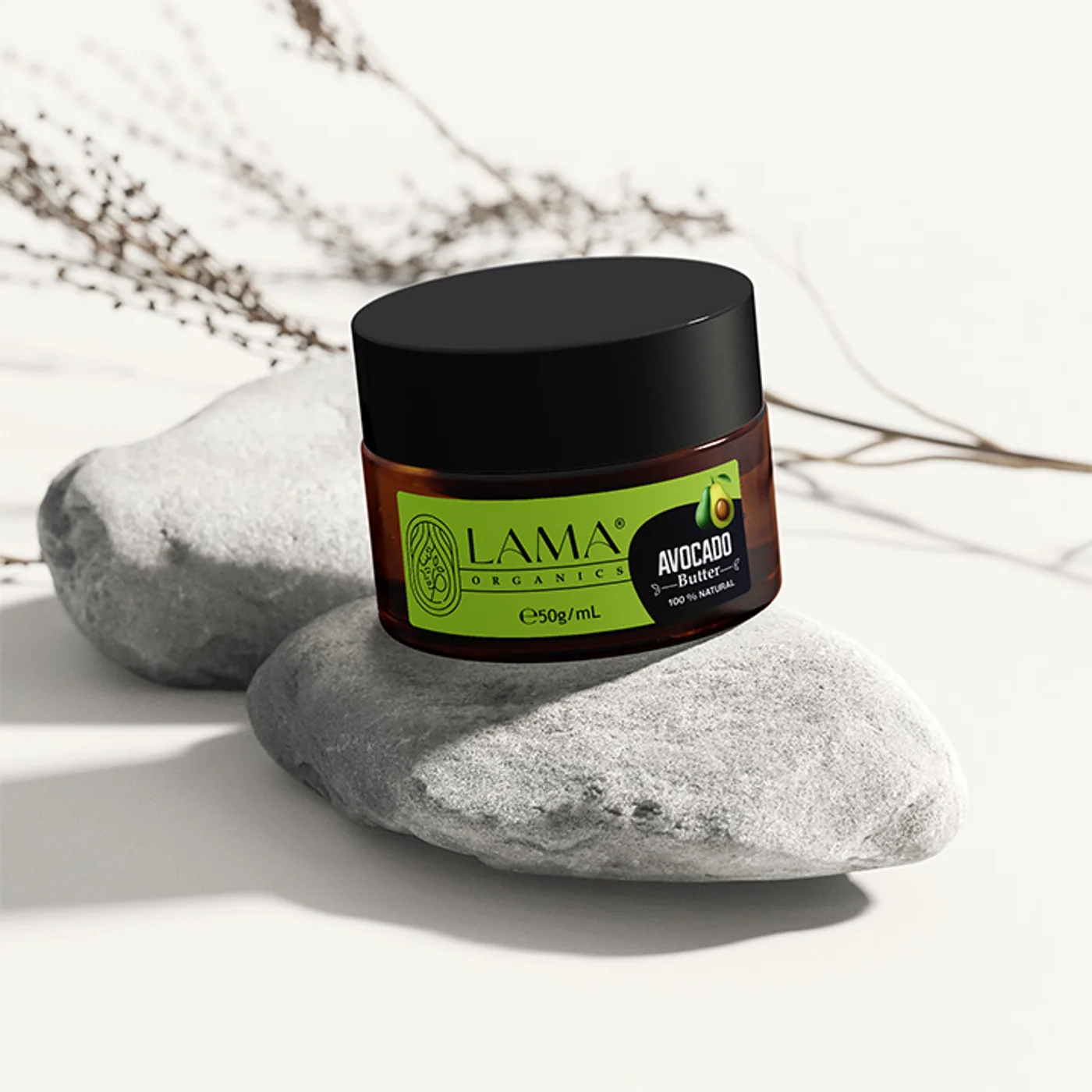
- C step, butter: shea butter, or avocado butter, melted between your palms.
Fine hair, even when coily, needs very little product: keep the butter for the ends.
LOC or LCO: how to choose
With no validated rule, try both orders on two wash days and keep the one that leaves your hair soft without feeling heavy.
One observable clue, more useful than the glass of water: bleached, coloured, relaxed or very sun-exposed hair is more porous, according to laboratory measurements.
To use butter without weighing hair down, read our guide to shea butter for hair.
Making it last
- At night: a satin or silk bonnet or pillowcase, and loose styles, to limit friction and frizz (AAD).
- Avoid tight styles: they damage hair, according to the AAD.
- Black castor oil: if you use it for the "O" step, blend it with jojoba and apply it to detangled hair. A case of irreversible hair felting has been published after coconut and castor oils were applied to long hair. See our guide to black castor vs regular castor oil.
Precautions
- Do a patch test before any new product.
- Shea comes from a nut: if you have a tree nut allergy, ask your doctor first.
- Aloe gel: do not swallow, and stop using it if its smell, colour or texture changes.