Guides
Curly hair in Mauritius: a routine for the humid climate
From November to April, the warm, humid air of Mauritius puts curls to the test. Here is a simple routine, from wash day to bedtime, based on dermatologists' advice.
3 min read ·
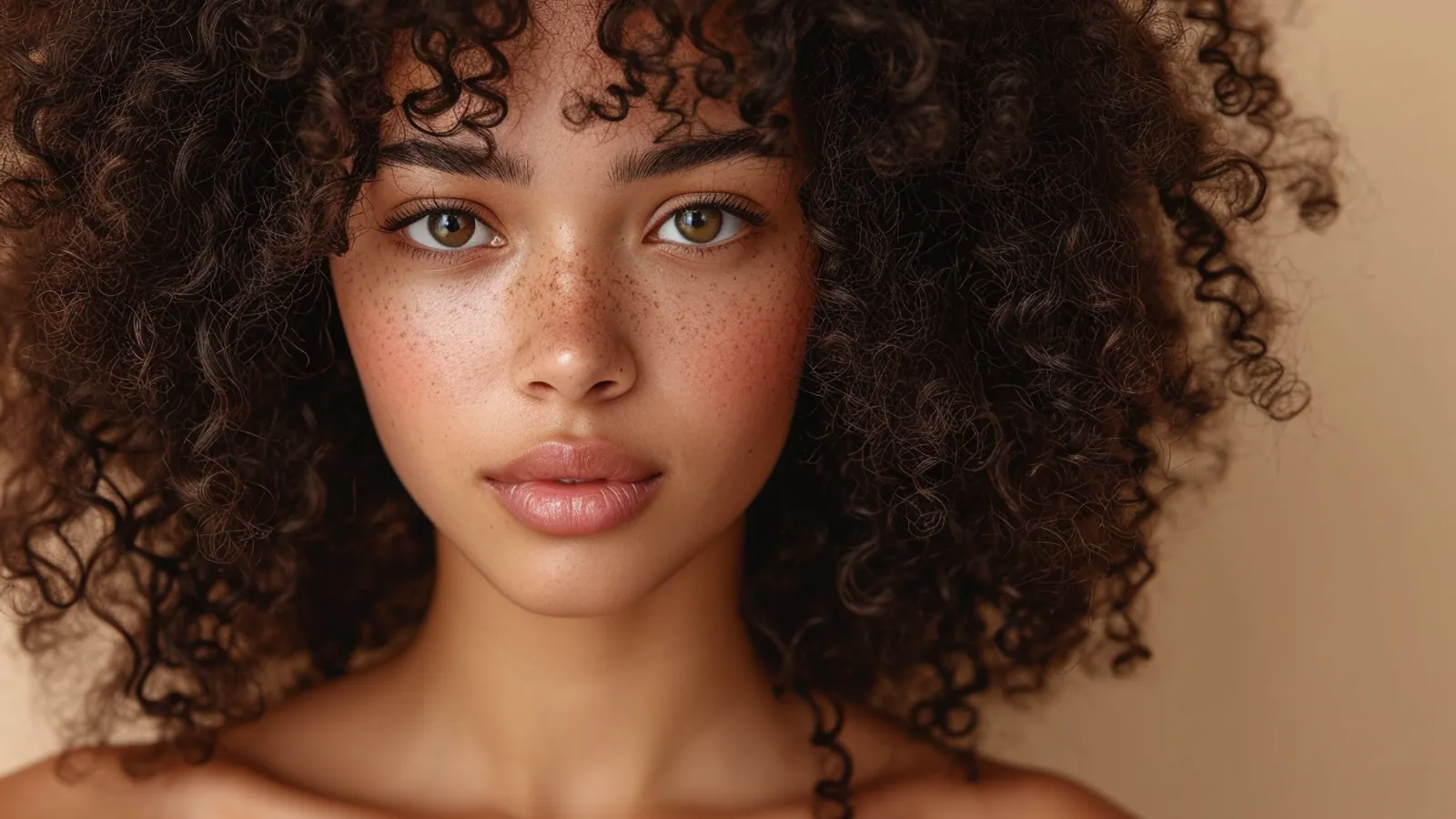
In Mauritius, curls live through two very different seasons. Here is a simple routine designed for this climate, with no promise of results.
The Mauritian climate in figures
According to the Mauritius Meteorological Services:
- Hot, humid summer from November to April. It brings 67% of the year's rain; February and March are the wettest months.
- Cool, dry winter from June to September. May and October are transition months.
- Average temperatures: 24.7 °C in summer, 20.4 °C in winter.
Why curls feel it
- Humidity changes how hair feels. A study showed that changes in humidity alter friction and how frizz feels to the touch, especially on curly hair (PubMed abstract).
- Lengths lack sebum. It struggles to travel down a curly strand: roots can be oily while lengths stay dry (review).
- Tight curls are more fragile when combed and handled.
What about types 1 to 4, with their letters A, B and C? This system comes from a hairdresser's marketing in the 1990s. It helps people talk about their hair, but it measures nothing, and one head can have several types (systematic review). Look at your hair instead: dry, breakage-prone, frizz-prone, coloured or relaxed.
Wash day
These steps follow the advice of the American Academy of Dermatology (AAD) (10 habits to avoid, curly hair tips).
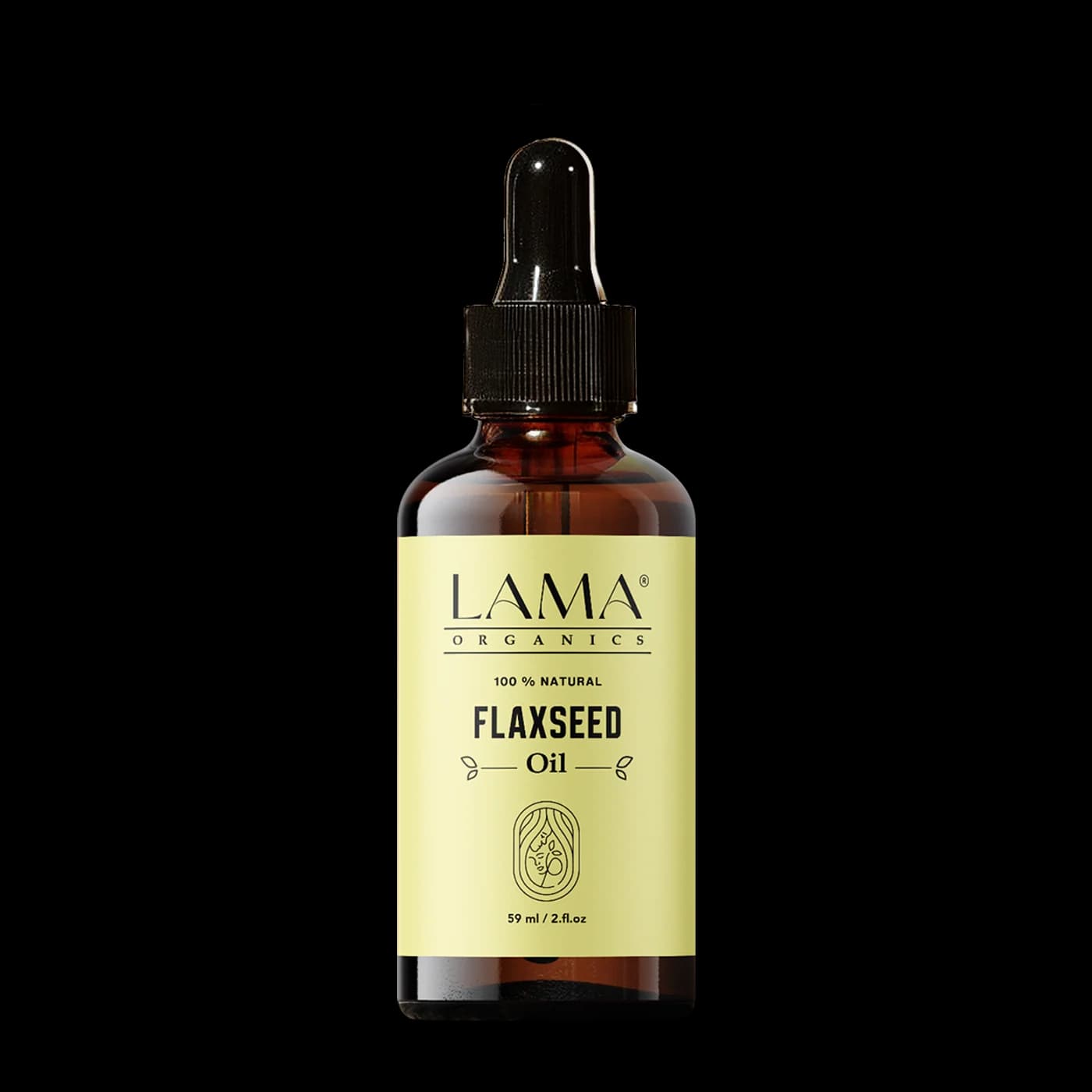
- Optional, before washing: an oil bath on dry lengths, rinsed out afterwards (common practice). Flaxseed oil works well for this.
- Shampoo your scalp only, and let the lather run through the lengths.
- Condition every time you wash. Detangle in sections with a wide-tooth comb; tight curls detangle more easily wet.
- A leave-in or a few drops of oil after conditioner, to help retain moisture (AAD advice).
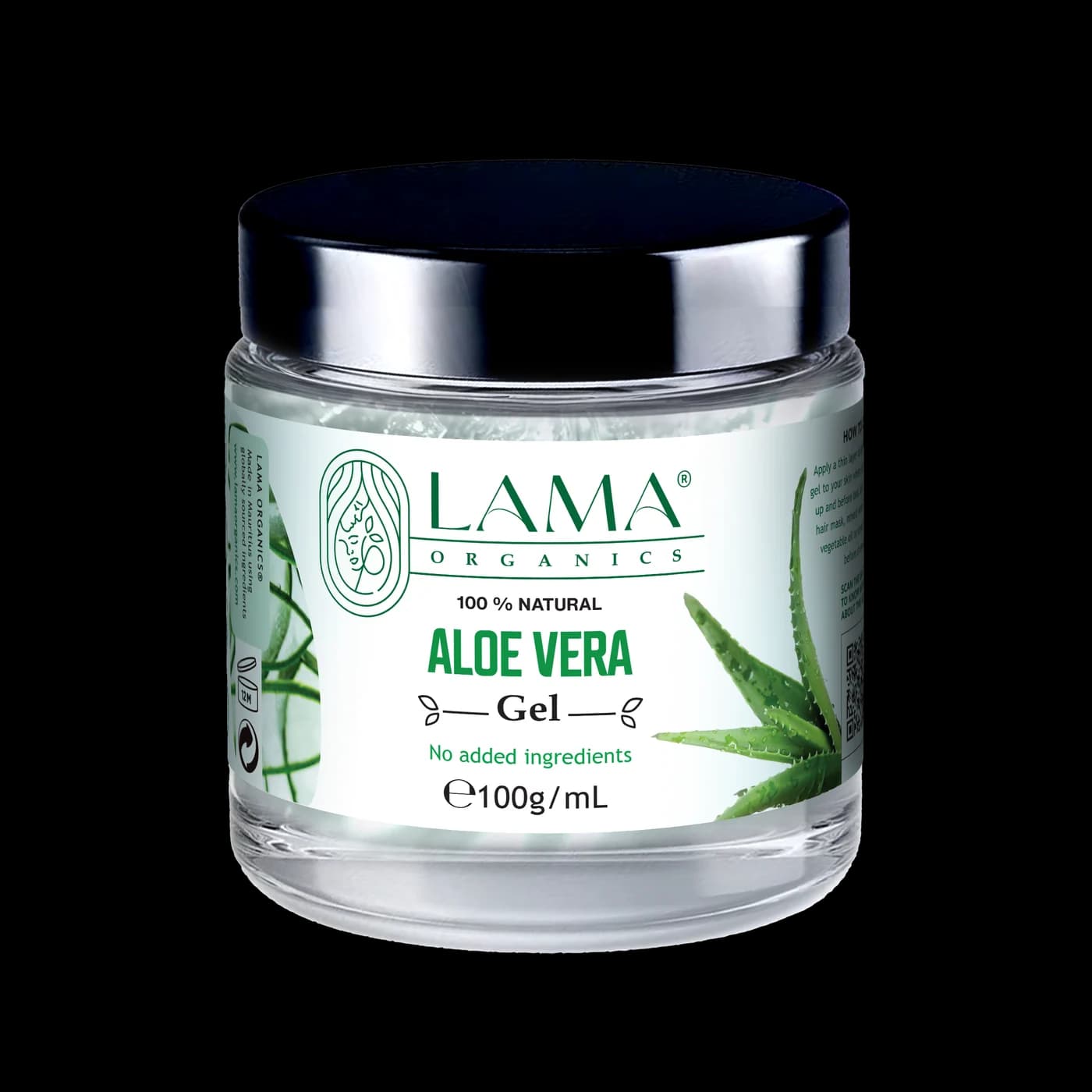
- Gel for definition: aloe vera gel helps define curls and smooth frizz (common practice).
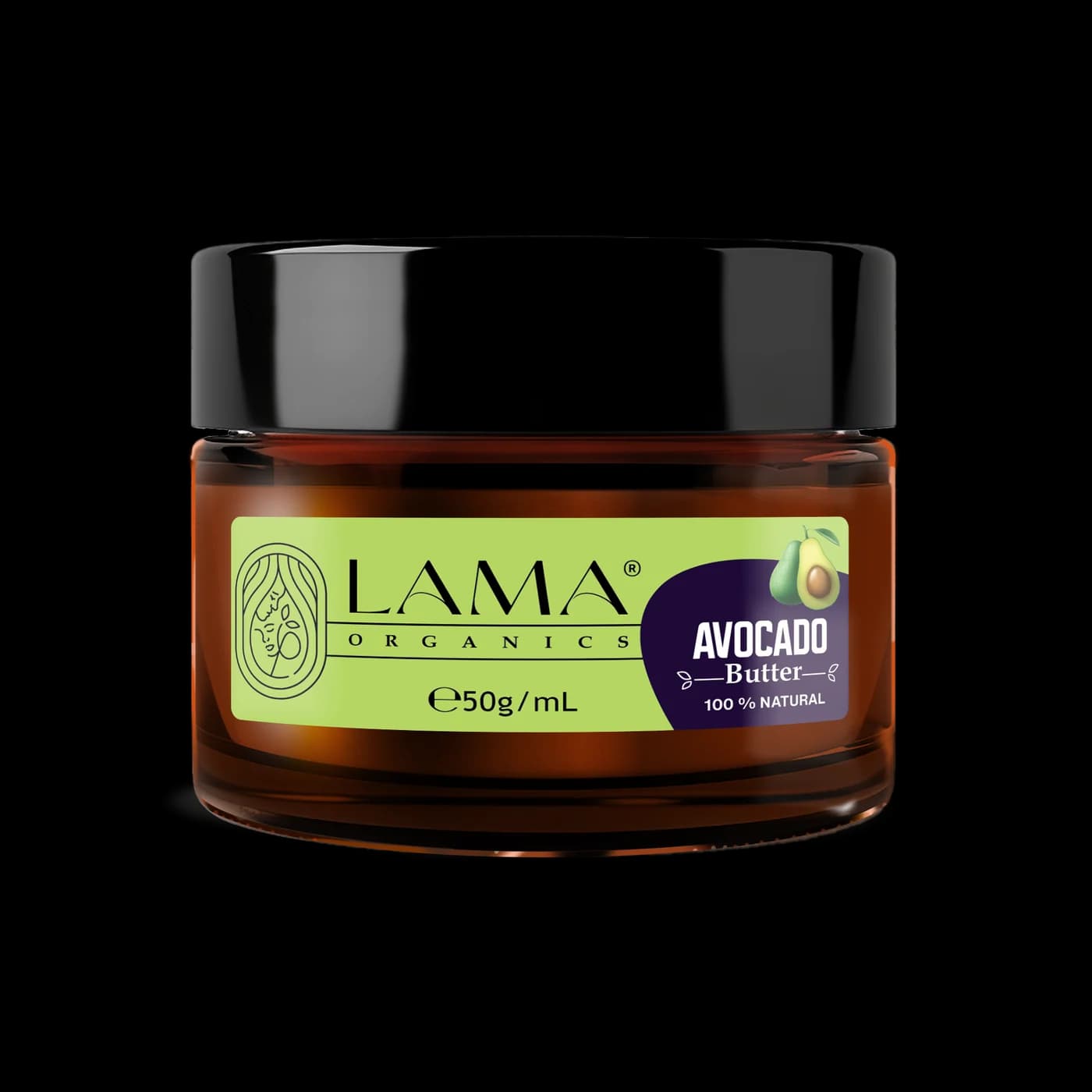
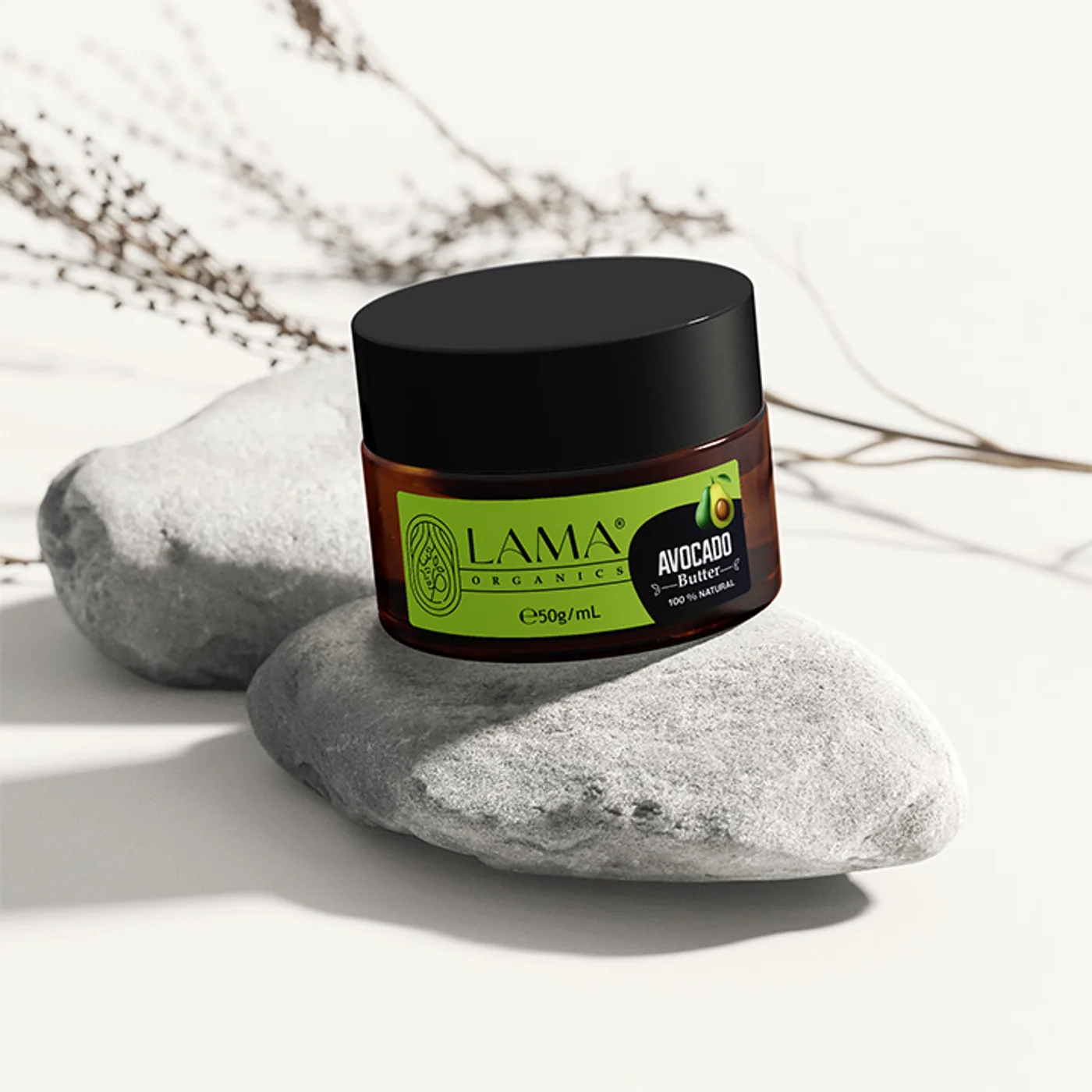
- Very dry ends: a little avocado butter, melted between your palms.
To layer these steps in the right order, read our guide to the LOC method.
Humid season, dry season
These adjustments are common practice:
- November to April: less product, lighter textures, and a gel to hold your curl pattern.
- June to September: a slightly richer finish on the ends, such as avocado butter or shea butter, in small amounts.
Night-time and everyday habits
- At night: a satin or silk bonnet or pillowcase, and a loose style. The AAD recommends this to limit friction and frizz.
- Avoid tight hairstyles.
- Sun: in the lab, UV rays increase the porosity of bleached hair (PubMed abstract). A hat or scarf remains the simplest protection.
- Sea and pool: many people rinse their hair with fresh water afterwards (common practice).
- Dandruff: for curly hair, the AAD suggests an anti-dandruff shampoo about once a week, on the scalp. See our guide to an itchy, flaky scalp.
Precautions
- Flaxseed oil: it oxidises very quickly. Keep it in the fridge after opening and stop using it if it smells rancid or like paint.
- Patch test before any new product: see our patch test guide.
- Aloe gel: do not swallow; scoop it out with a clean spatula.