Best-seller

Nourish & soften
An oil or butter adds no water to your skin: it helps keep it there. Applied to still-damp skin, it leaves skin soft and comfortable.
Read more
15 products
3 out-of-stock products not included
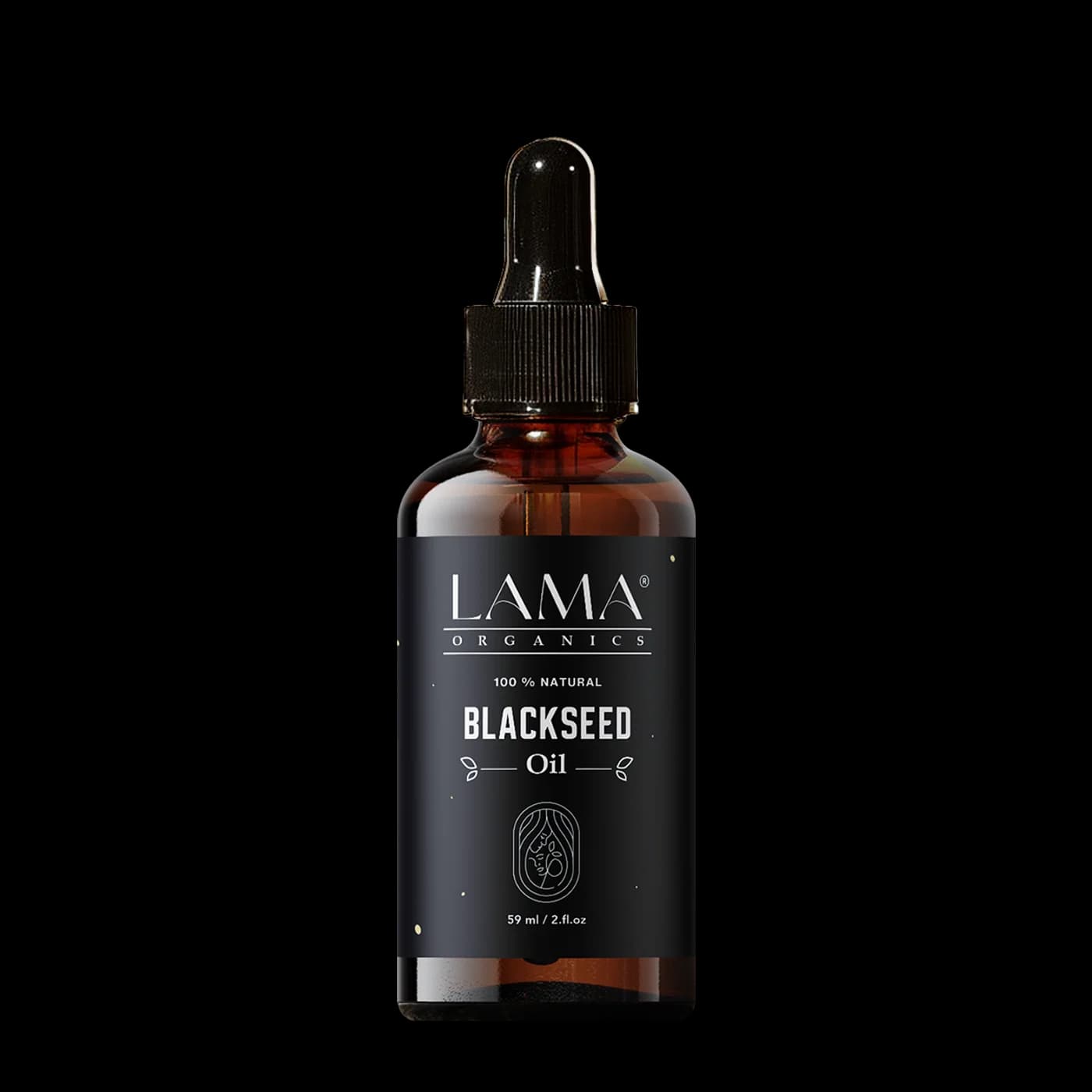
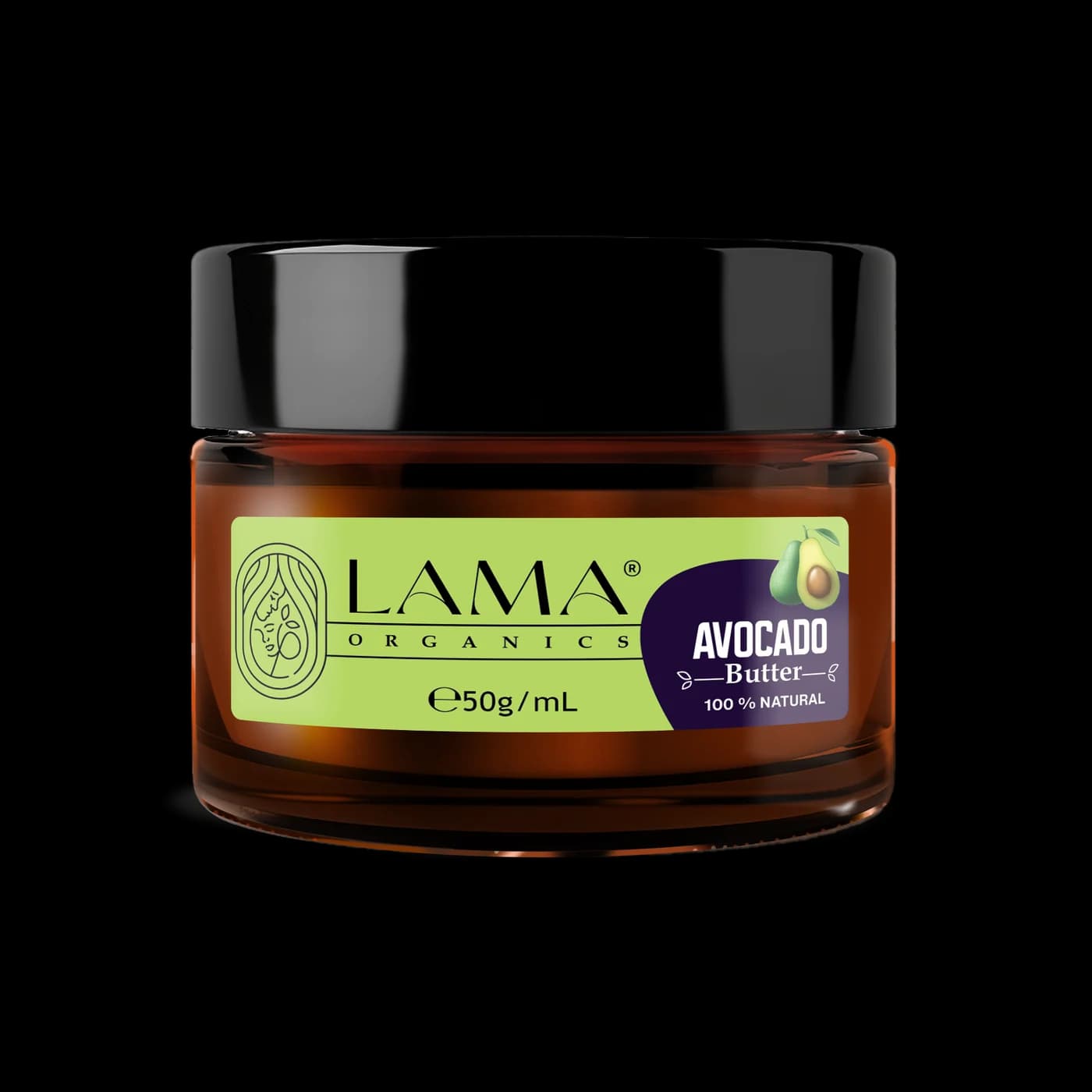
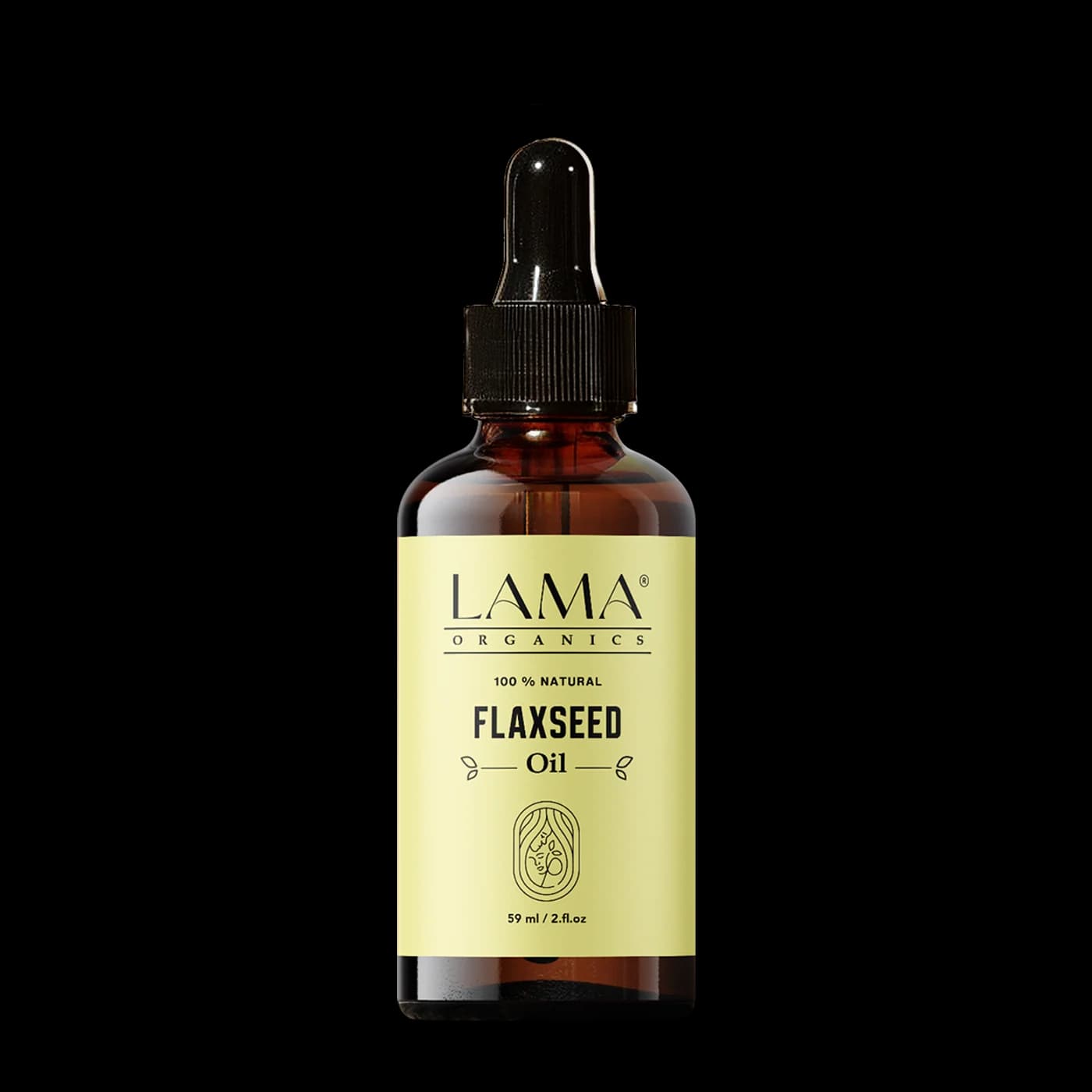
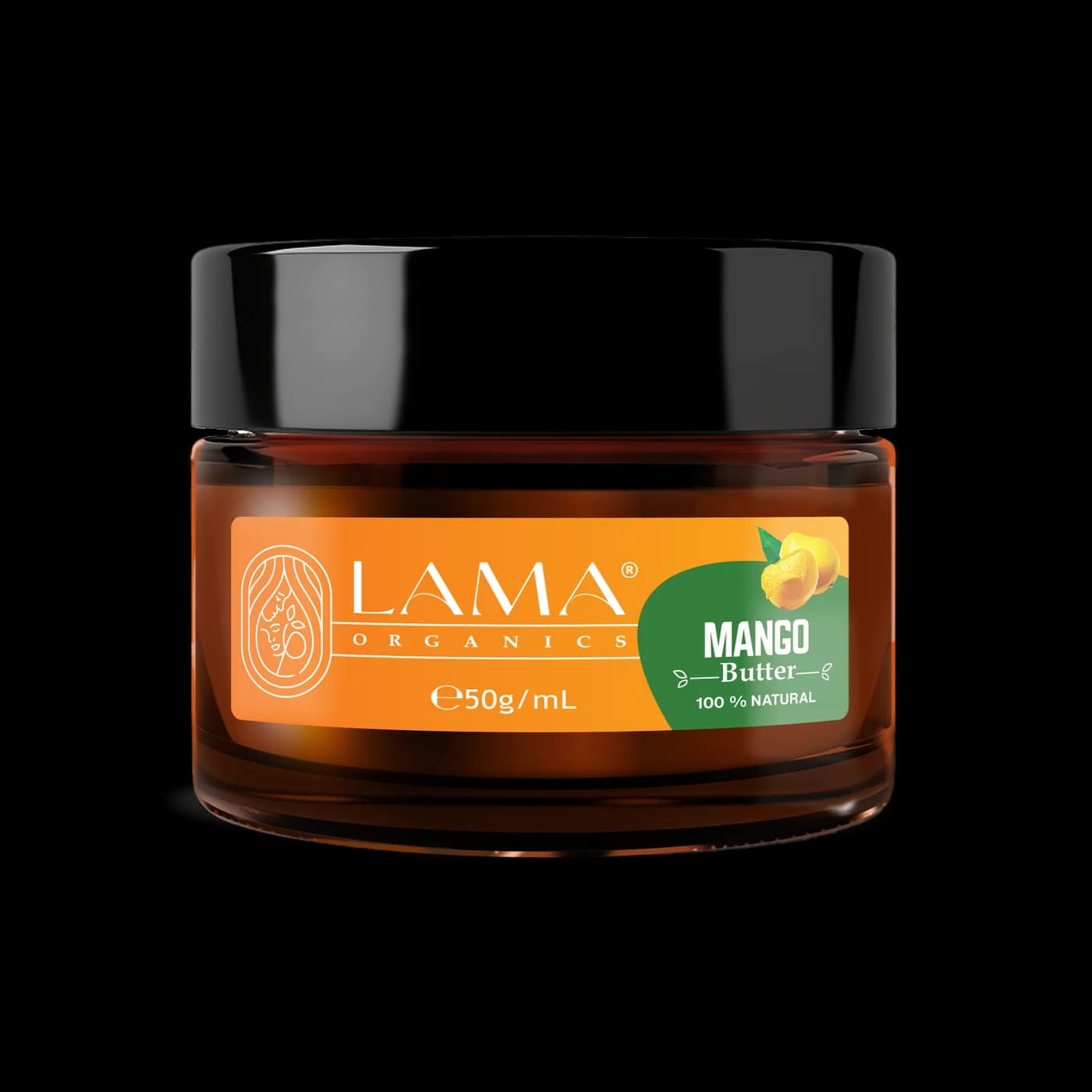
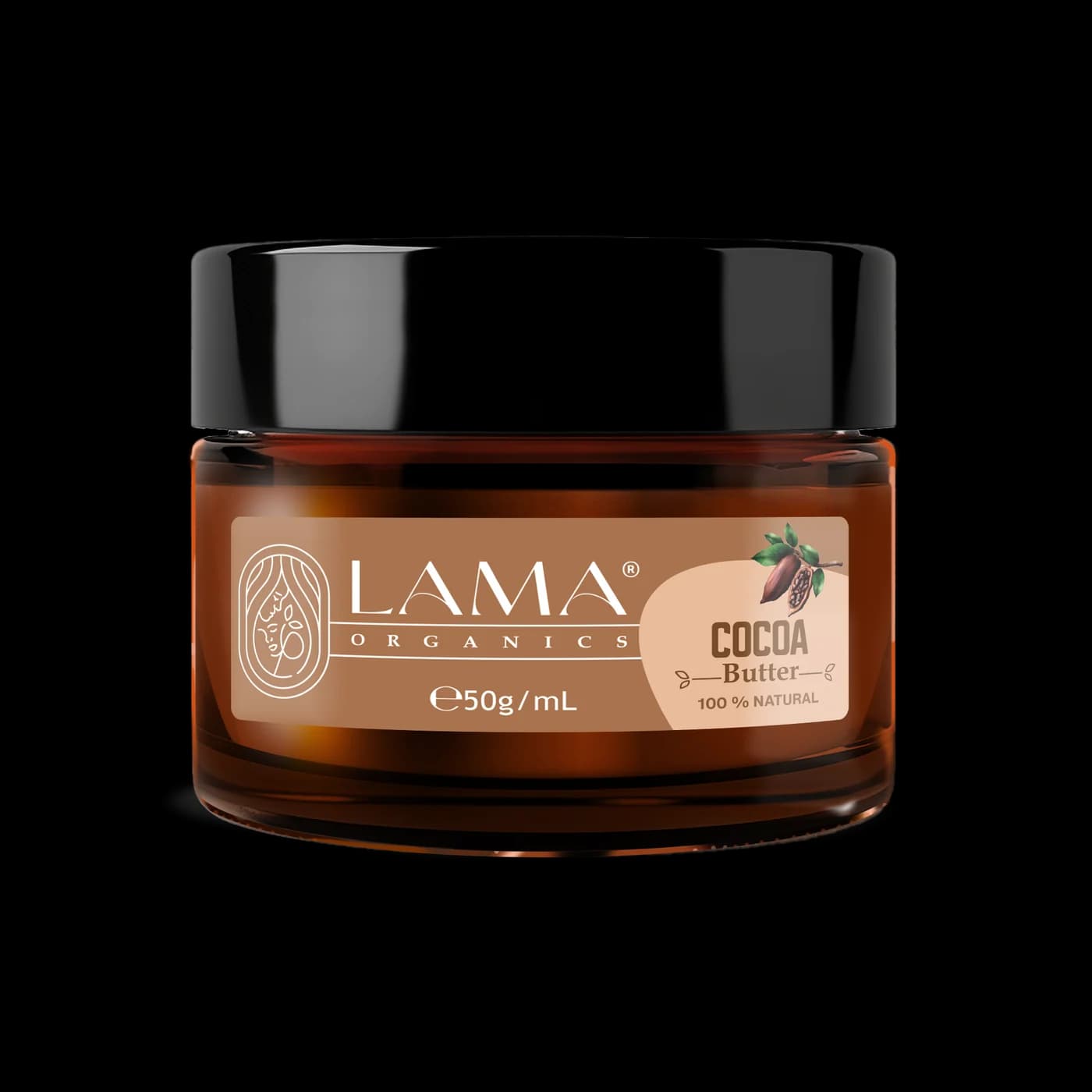
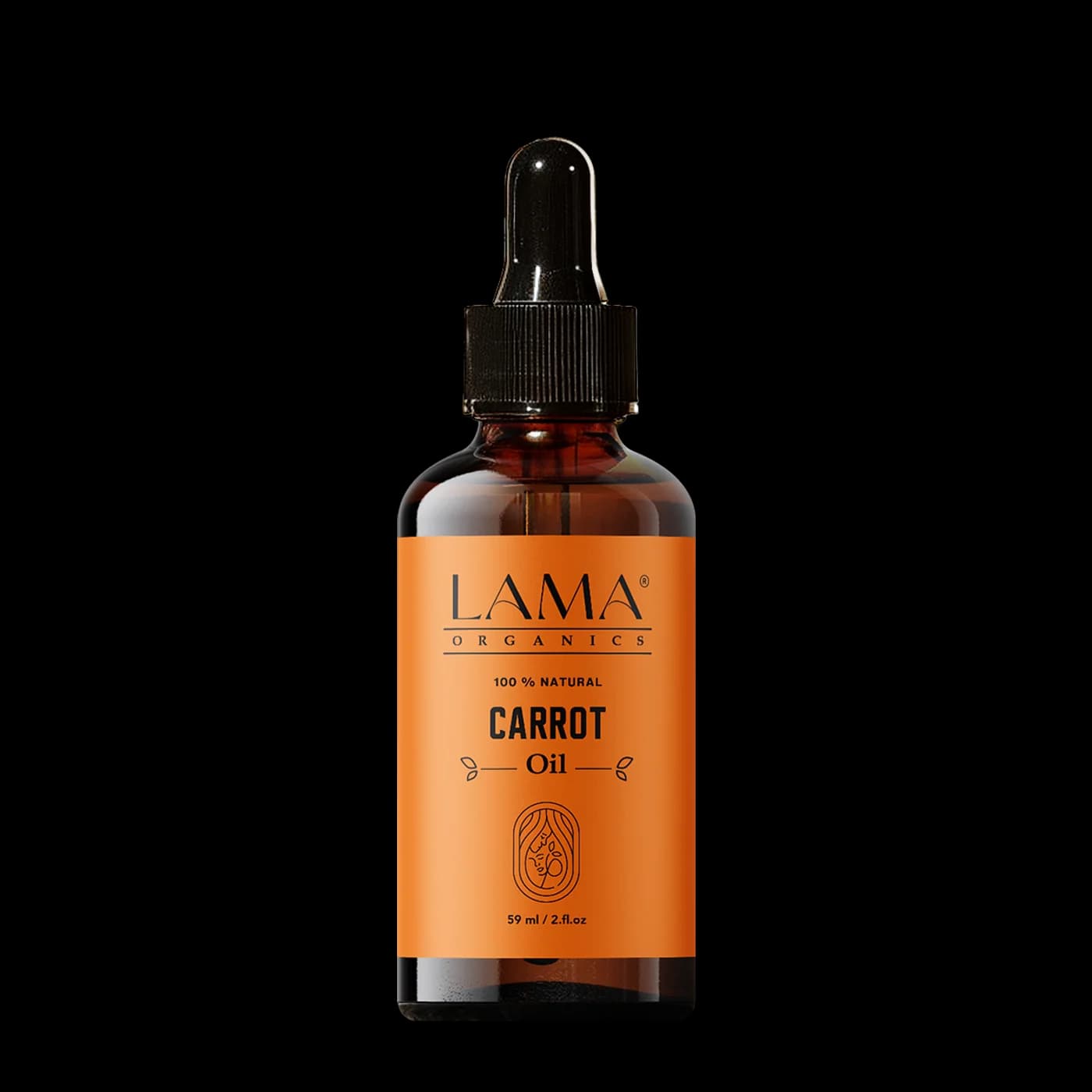
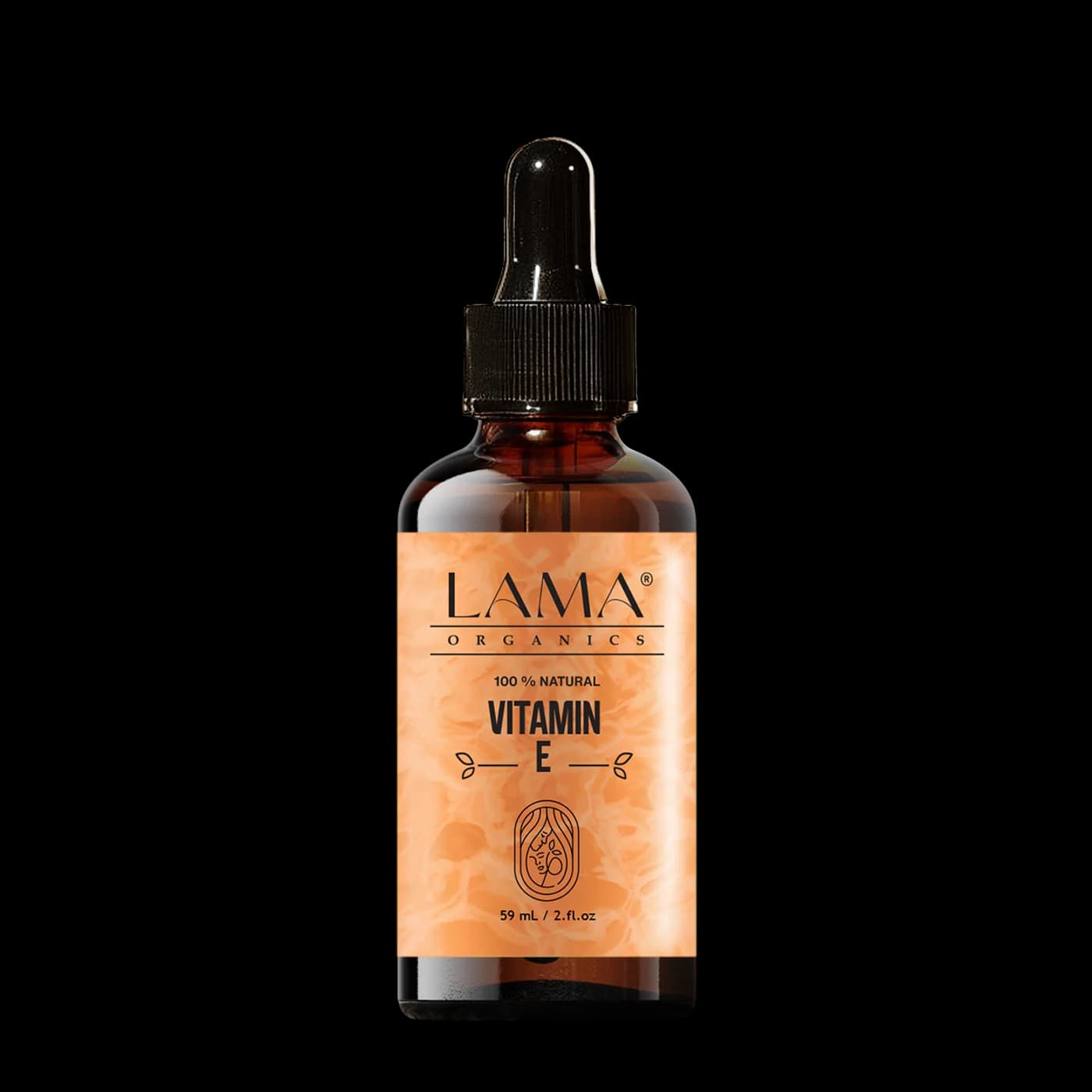
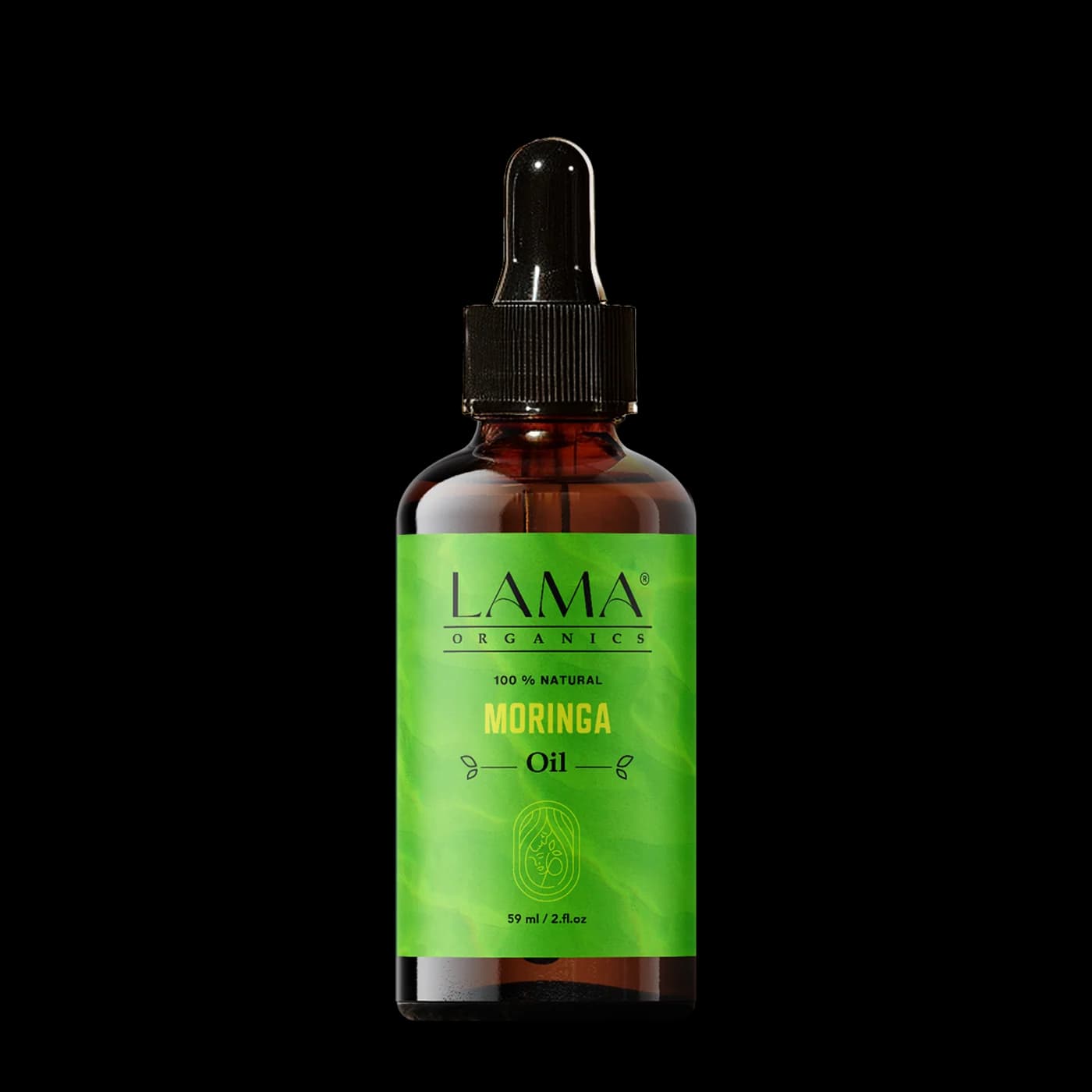
You will need
Steps
01
Oils and butters contain no water. They stay mainly on the surface and leave a film that limits water loss from the skin.
02
Applied right after the shower, your oil or butter holds in the water still on your skin. This is the American Academy of Dermatology's advice.
03
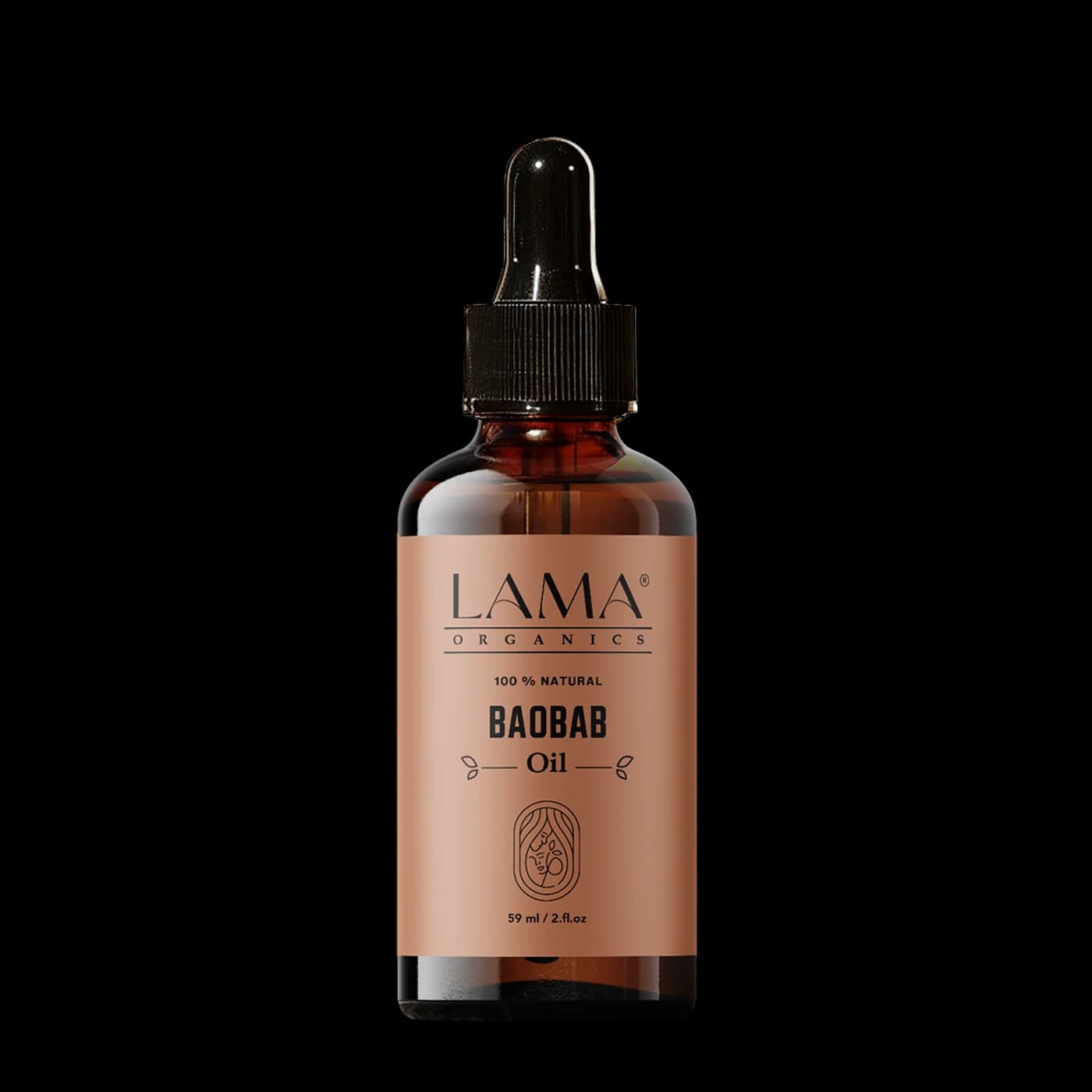
In a small study of 20 women, a refined baobab oil reduced skin water loss as much as the paraffin control.
The outer layer of your skin works like a wall: cells are the bricks, lipids the mortar. The plant oils studied stay mainly on the surface. There they form a thin film that limits water loss: that is how they help skin stay soft.
The gesture matters as much as the product. A short, lukewarm shower, skin patted dry without rubbing, then a few drops of oil or a little butter on still-damp skin: this is the American Academy of Dermatology's advice.
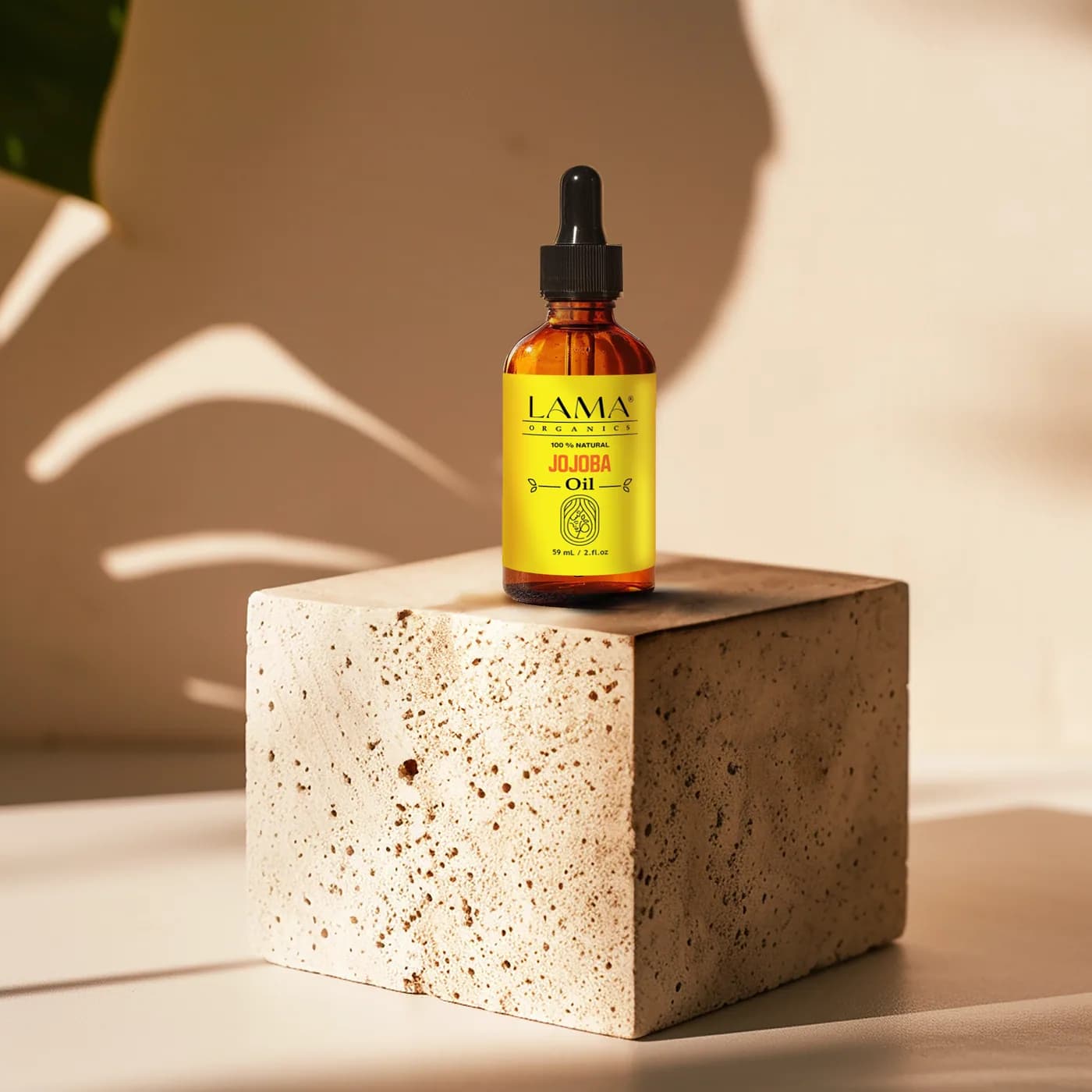
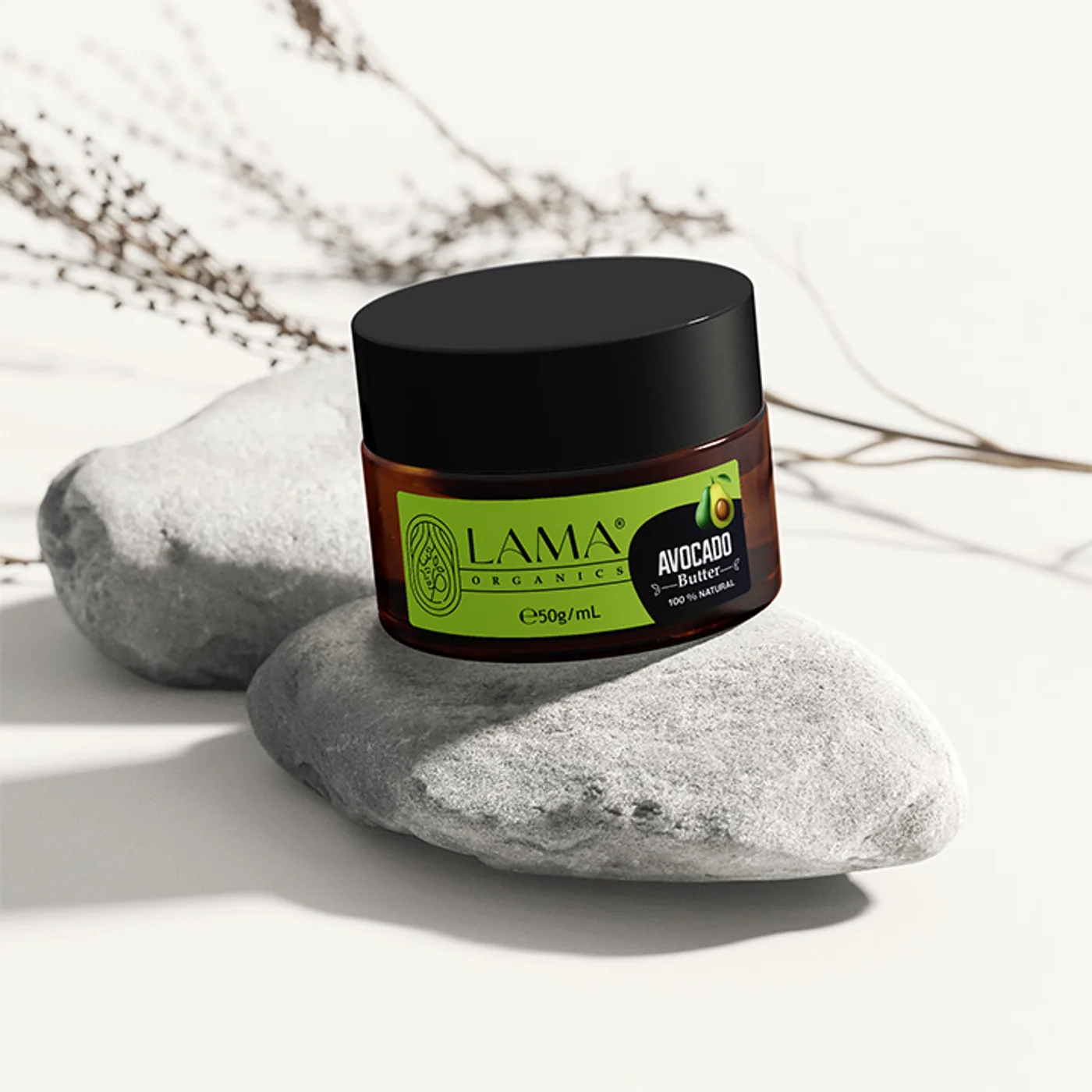
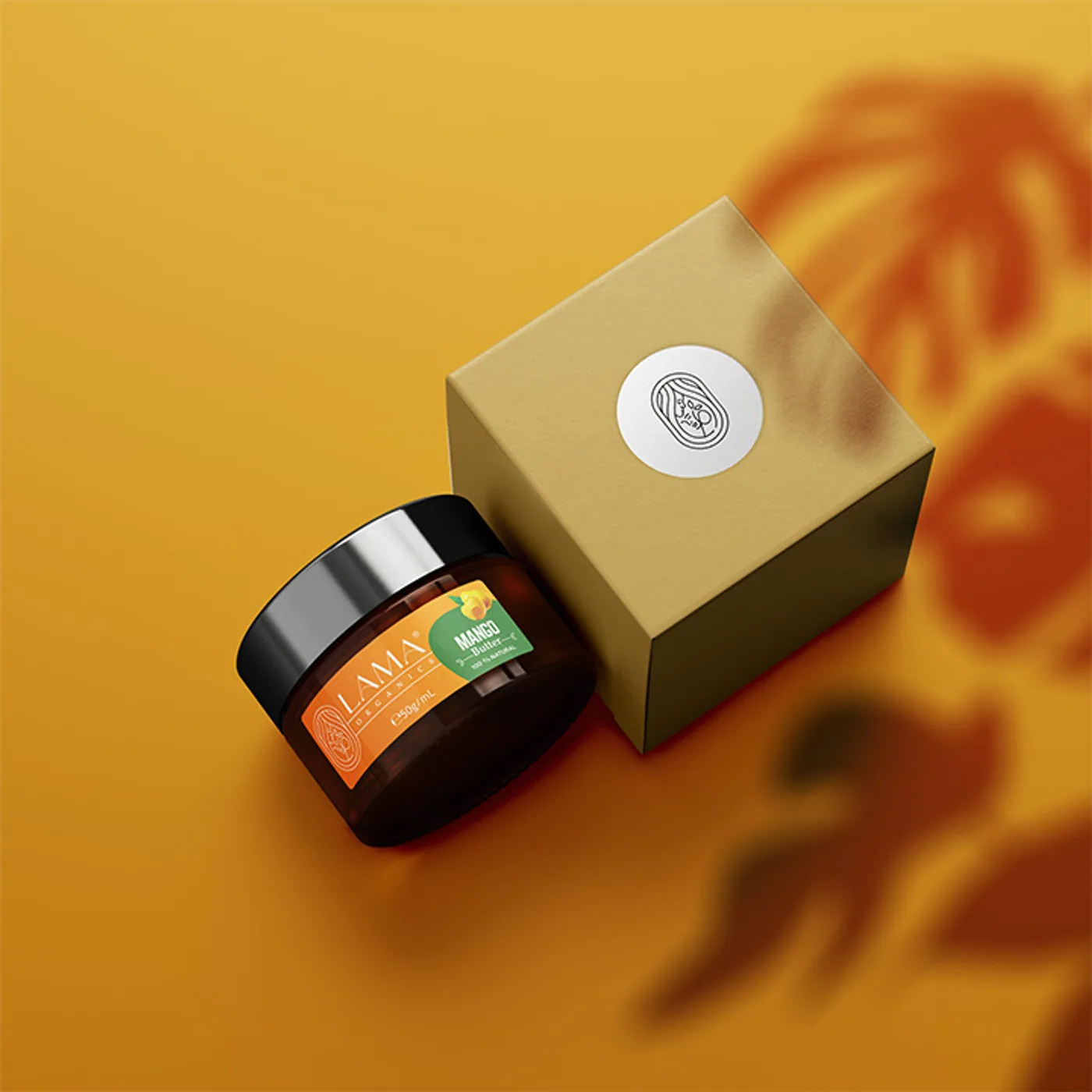
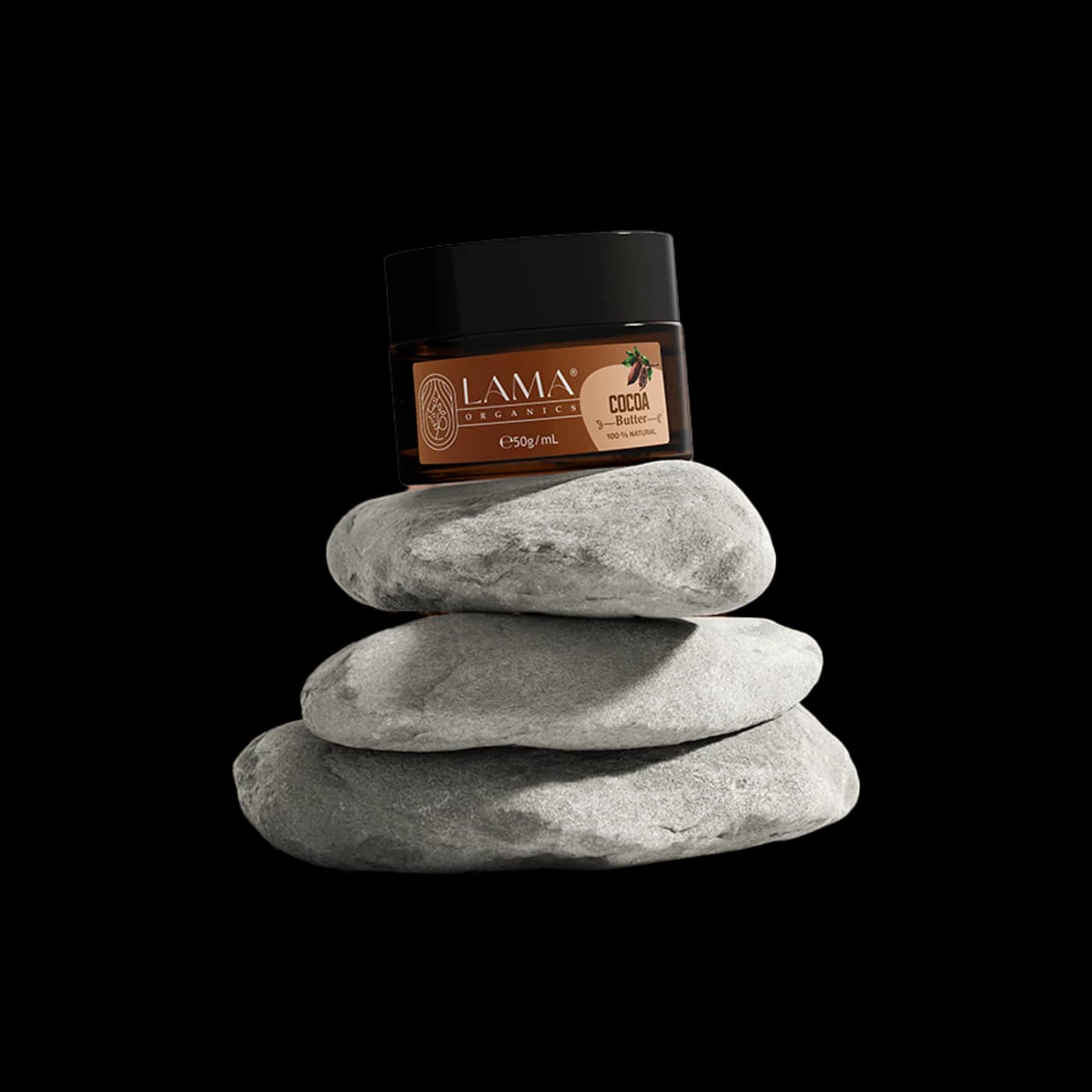
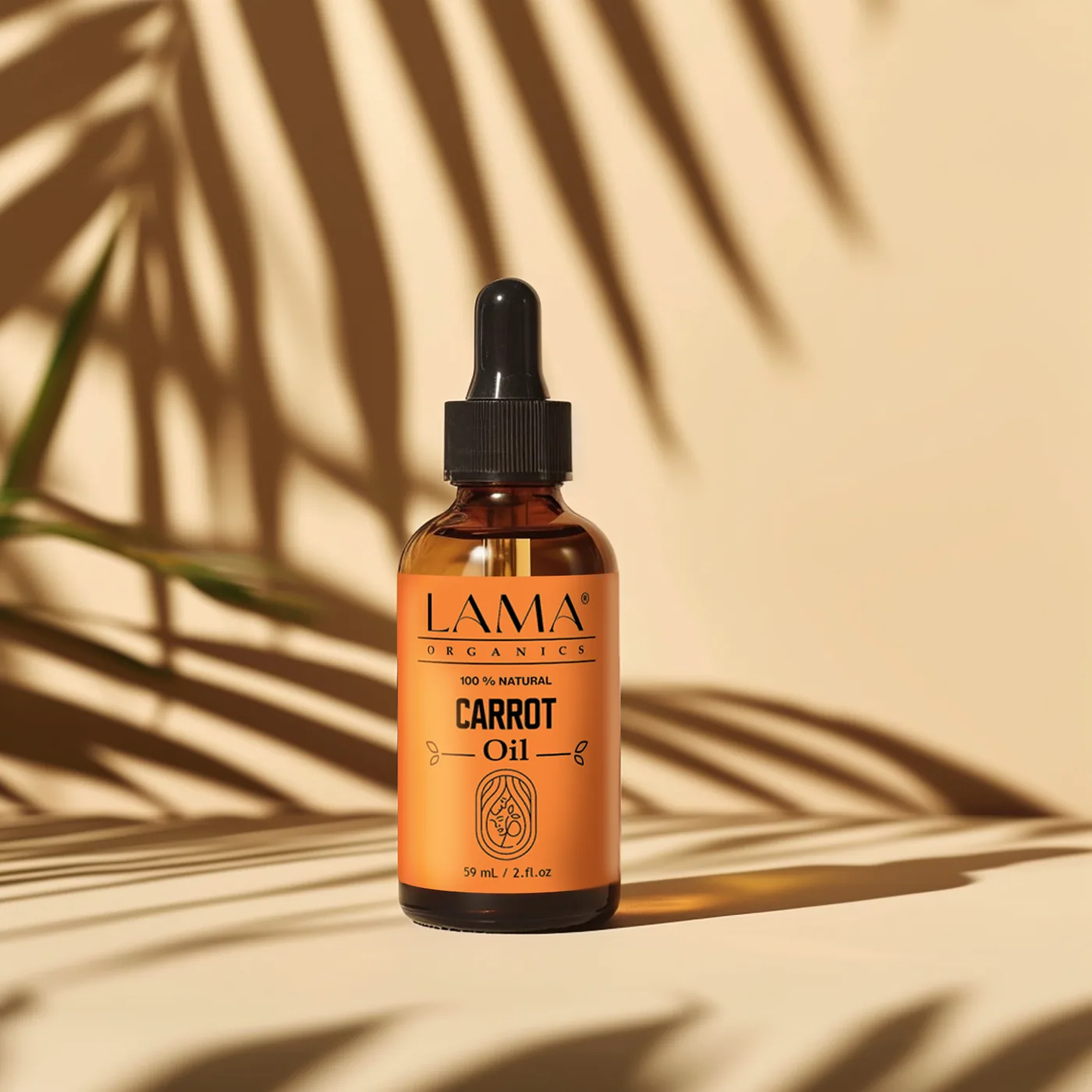
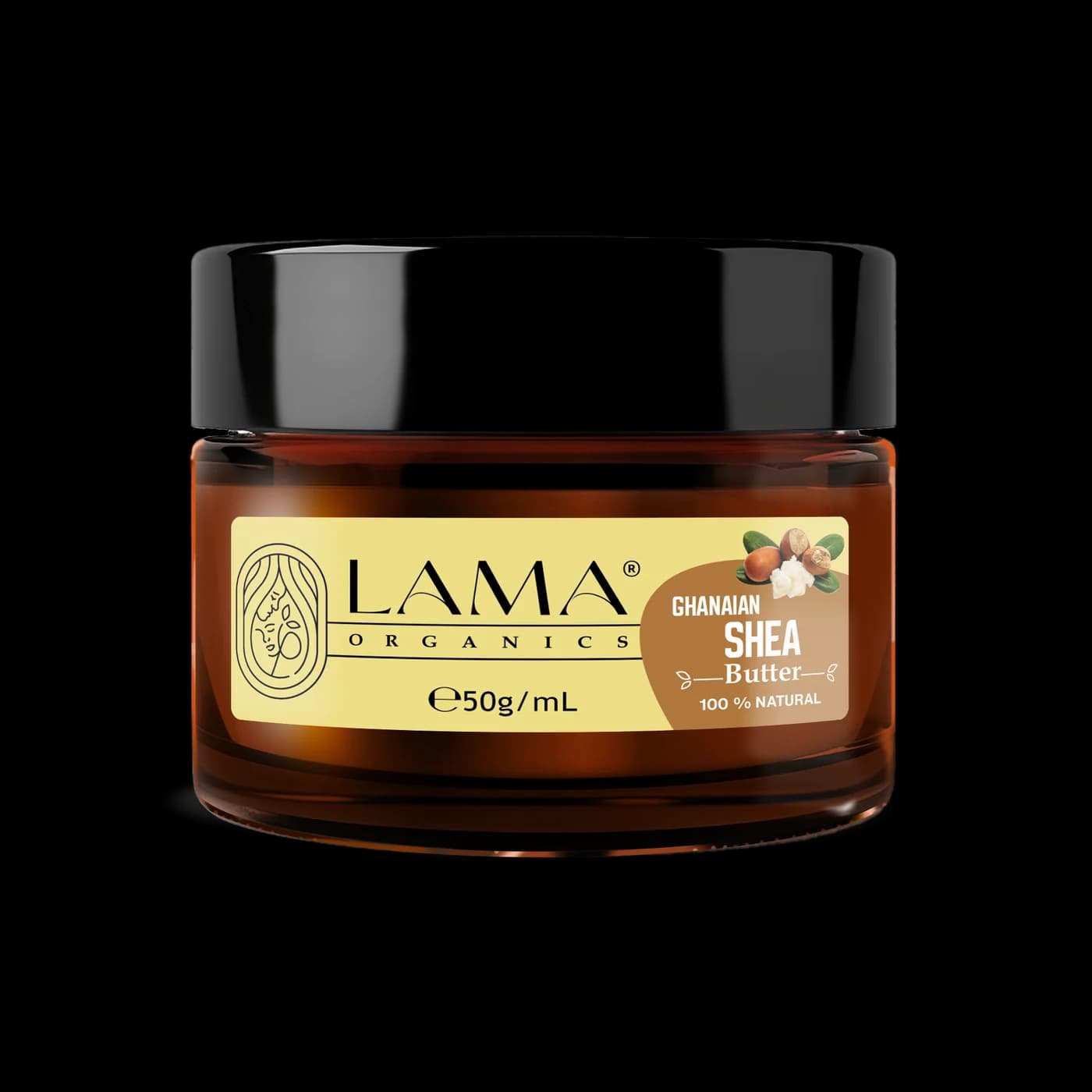
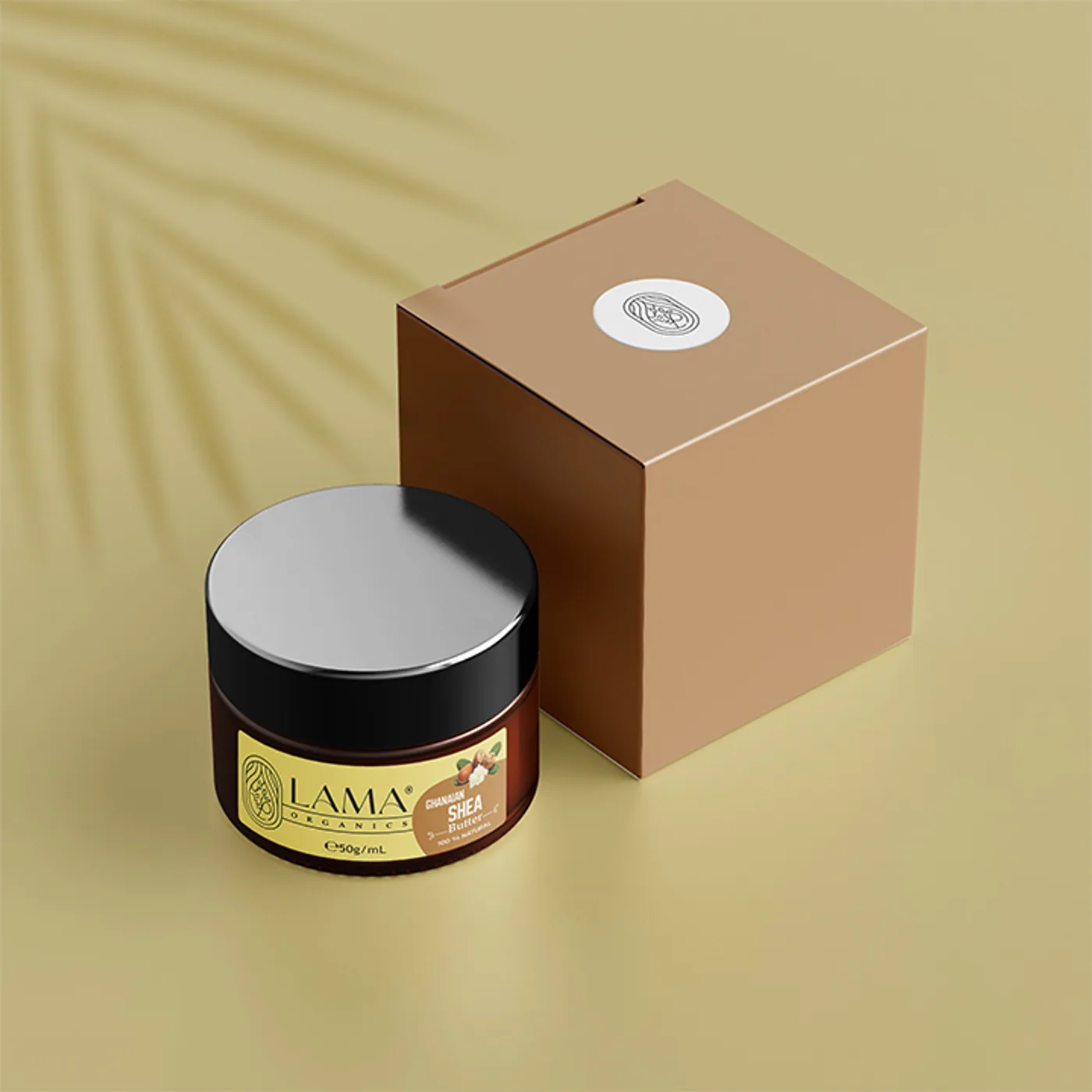
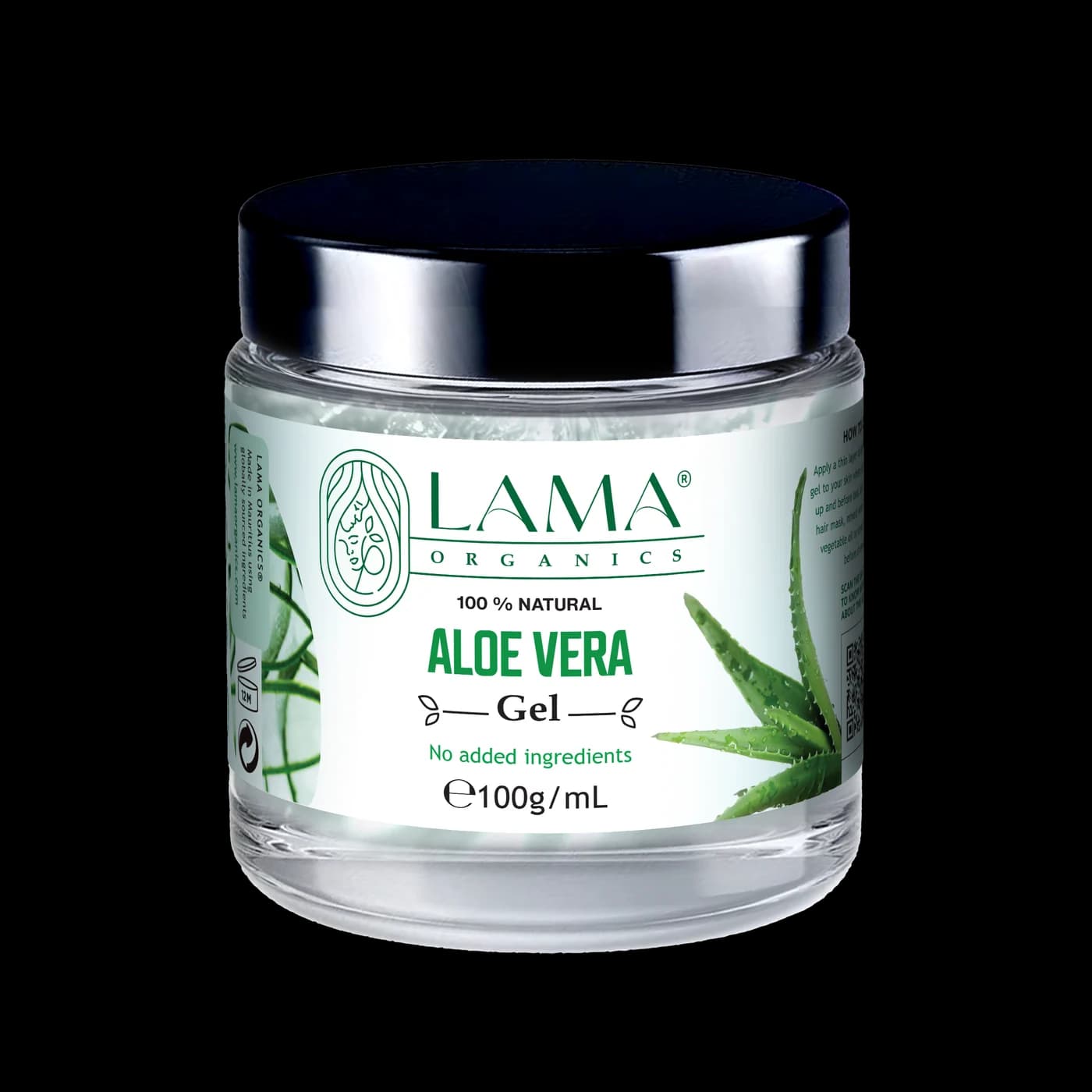
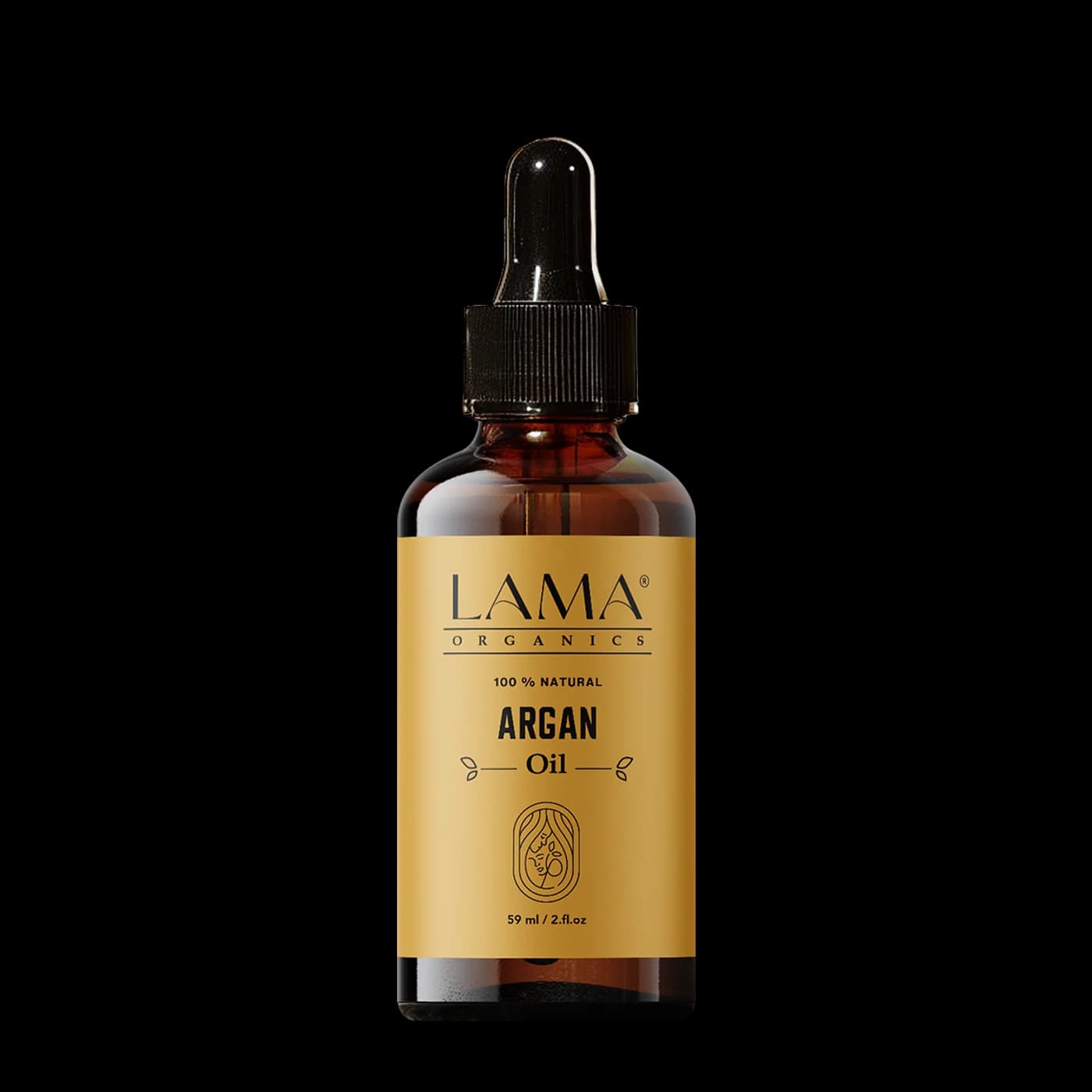
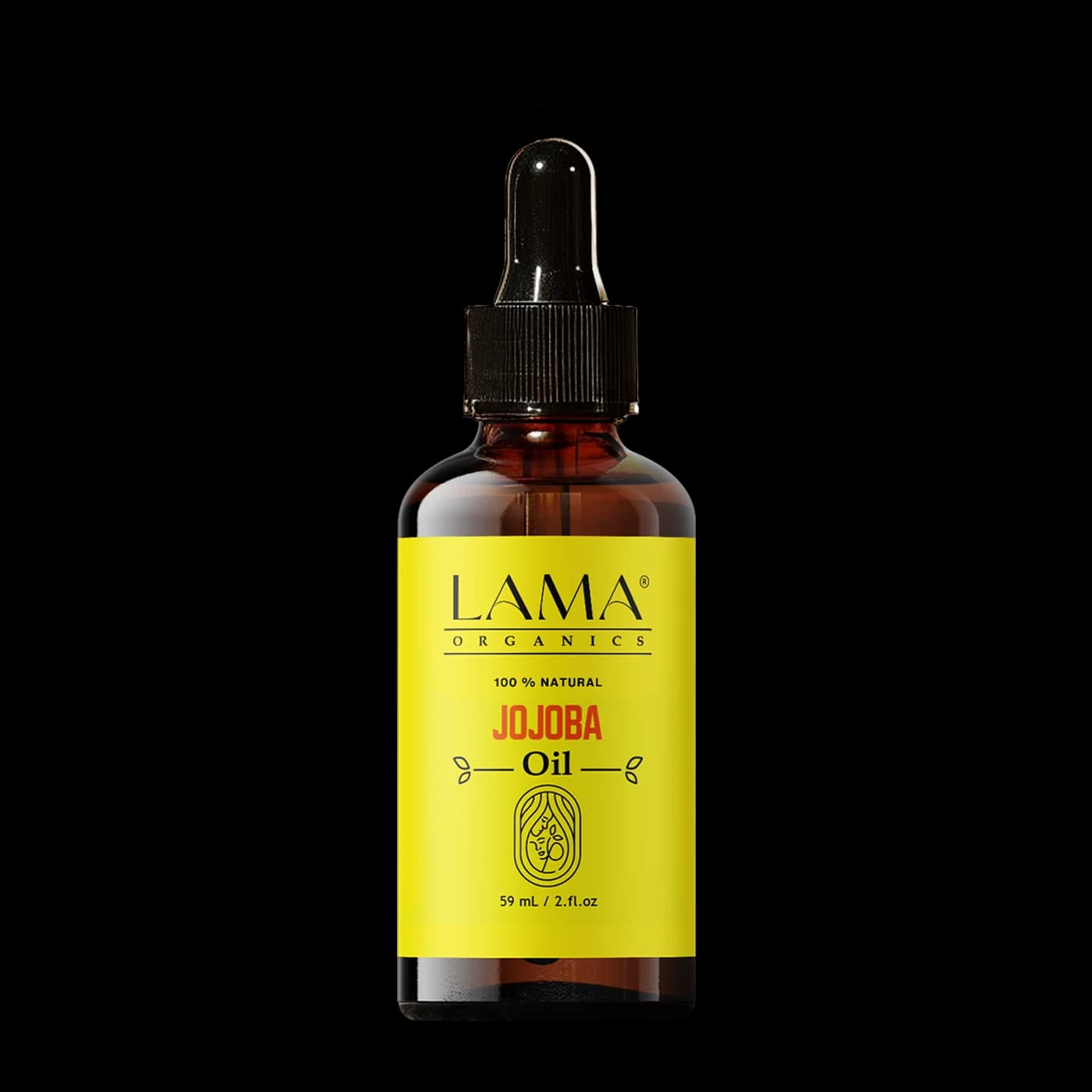
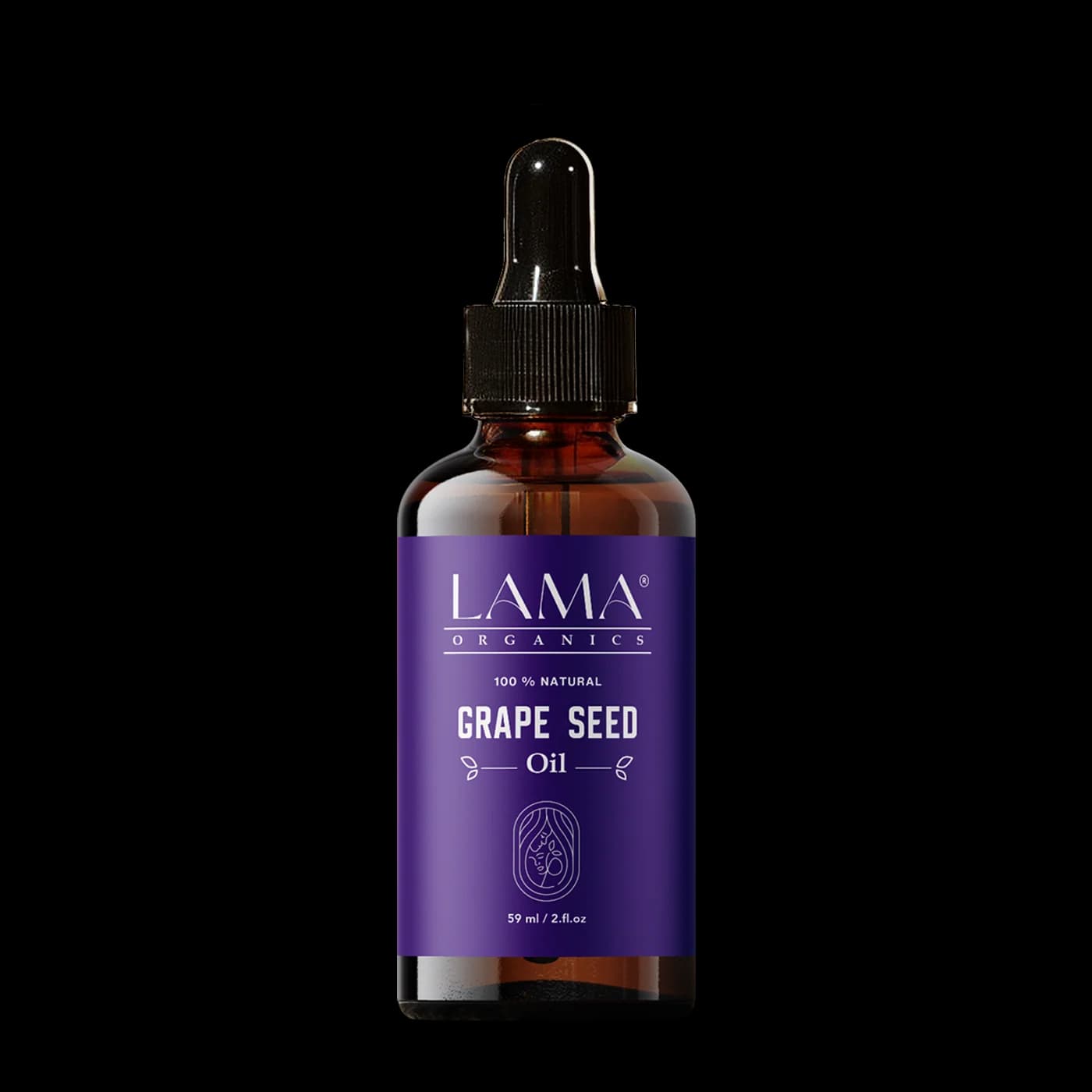
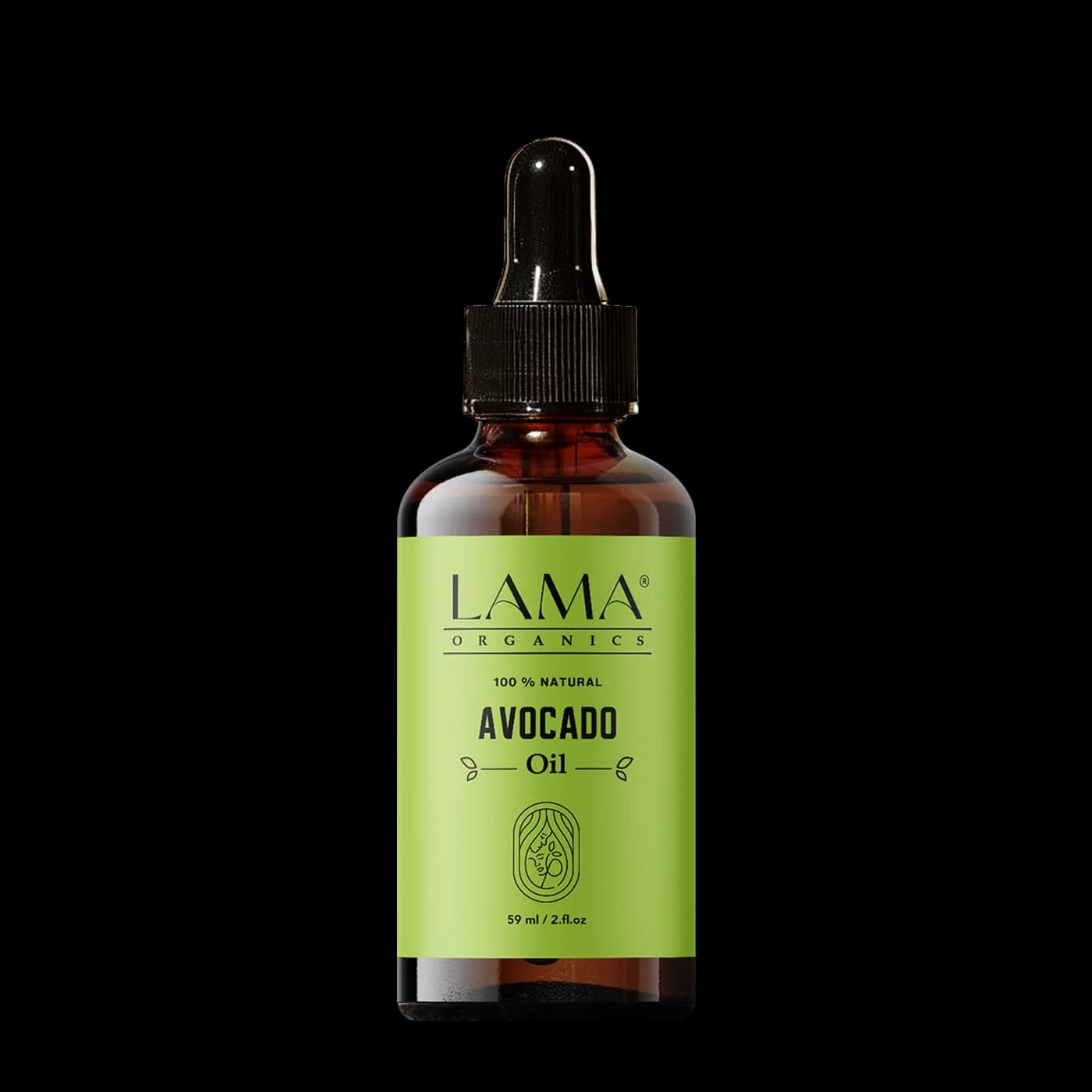
For a light texture, choose a fluid oil such as jojoba or grape seed. For more comfort, baobab or avocado oil. Shea, mango and cocoa butters are the richest. Patch test before any new product.
Oil is fluid and spreads quickly: handy for the whole body. Butter is richer: keep it for dry areas or the evening. You can combine both, oil all over and butter on dry areas.
To still-damp skin, right after the shower. Your oil or butter then holds in the water already there and spreads more easily: a small amount is enough.
For oily skin, the American Academy of Dermatology recommends oil-free products. If you still want an oil, start with a few drops of a light texture, on dry areas only, after a patch test.

3 min read · September 29, 2026
Should you put oil on oily skin? US dermatologists recommend oil-free products instead. Here is what to know before you try, and how to limit the risks.

3 min read · September 29, 2026
Before using a new oil, butter or gel, try it on a small patch of skin. Here is the method dermatologists recommend, why it matters and when to stop.